Birmingham Daughter Warns of Rising Islamophobia 13 Years After Father's Murder
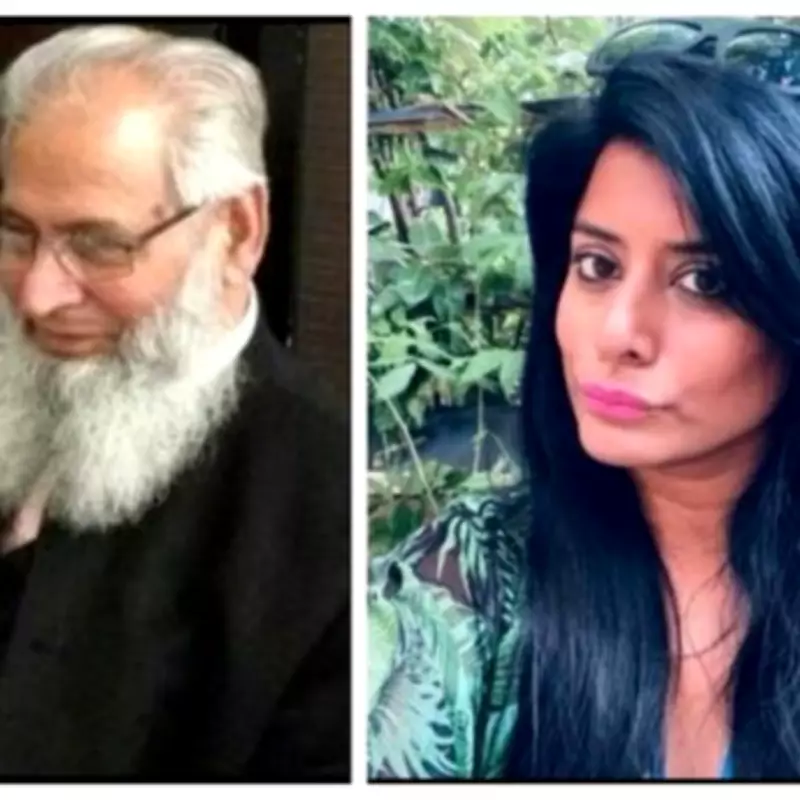
Thirteen years after the brutal Islamophobic murder of Birmingham grandfather Haji Mohammed Saleem, his daughter Maz Saleem has issued a stark warning that hatred towards Muslims is becoming 'normalised' across the country.
A Terrorist Attack, Not Just Racism
In April 2013, Mohammed Saleem, a 75-year-old grandfather of 23, was stabbed to death as he walked home from evening prayers at Green Lane Mosque in Small Heath. The attacker was Pavlo Lapshyn, a Ukrainian neo-Nazi engineering student who had arrived in the UK just days earlier with the explicit intent of killing Muslims.
"My father was not just a victim of racism. He was the victim of an Islamophobic terrorist attack," writes Maz Saleem in an open letter. "That distinction matters."

Lapshyn, who was sentenced to life imprisonment with a minimum term of 40 years, remained at large for three months after the murder. During that time, he planted and detonated three homemade pipe bombs near mosques in Wolverhampton, Walsall, and Tipton. The devices were filled with nails and screws, designed to cause maximum casualties.
Forgiveness Without Silence
Maz Saleem reveals she has forgiven her father's killer, but emphasizes that forgiveness does not mean silence. "Forgiveness wasn't weakness. It was resistance," she states. "But forgiveness does not mean silence. And it certainly does not mean ignoring what is happening now."
She describes a political and social climate that has grown more hostile and divided since her father's murder. "When figures like Nigel Farage gain influence, it sends a message that some communities are acceptable targets," she writes. "And those messages don't stay in politics. They show up in real life."
Saleem shares her own experience of being attacked on the London Underground for wearing a keffiyah, highlighting how the justice system often fails victims of hate crimes.
The Normalisation of Hate
The grieving daughter expresses deep frustration that voices of extremism and hate have become mainstream in the years since her father's murder. She presses for more action to confront the Islamophobia that continues to ferment across Britain.
"Across Britain today, Muslim women are being targeted on the streets. Sikh women are being attacked. Bangladeshis and other communities are facing abuse in public - not occasionally, but increasingly," she warns. "This isn't random."
Saleem believes her father's death should have been a turning point for the nation, but instead became something society moved on from too quickly. "What we are seeing today - the rise in Islamophobia, the normalisation of hate, the division of communities - is exactly what my father's murder warned us about," she writes. "And we didn't listen."
A Call for Unity and Justice
While standing firmly against anti-Semitism and expressing support for Judaism, Saleem clarifies she does not support Zionism or any form of oppression. She argues for consistent justice that applies to all communities.
"We cannot fight hatred selectively. We cannot choose which communities deserve protection," she asserts. "Justice must apply to everyone - or it means nothing."
As Pavlo Lapshyn died in prison last year at age 37, Maz Saleem released a statement expressing her forgiveness while acknowledging the pain he caused. She noted he was someone's son with elderly parents in Ukraine, extending her thoughts to his family during their difficult time.
Thirteen years after the horrific murder that shocked Birmingham, Maz Saleem's message remains clear: "I forgave my father's killer. But I will not stay silent while the conditions that led to his murder are repeated."