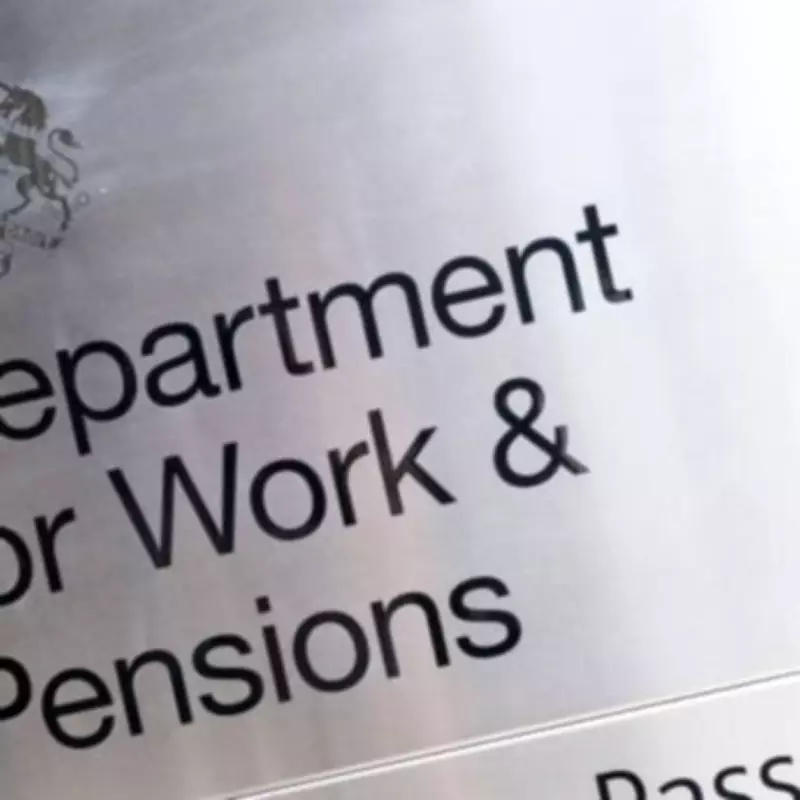
The Department for Work and Pensions (DWP) is facing growing pressure to introduce a benefits payment card that can only be used for essential items, following a new petition that has already attracted hundreds of signatures.
The petition, which will run for six months, needs to reach 10,000 signatures to trigger a formal response from the Labour Party government. It urges the DWP to "introduce a benefits payment card that can be used for essentials only."
The petition states: "To ensure that welfare money is being spent on essentials to help those in need, introduce a payment card that can only be used for things like food, clothes, school supplies etc. We are concerned that the taxpayer could be funding non-essential items for those who rely on the state for support."

Previous Government Consultation
The previous Conservative government consulted on replacing Personal Independence Payment (PIP) cash payments—worth up to £749.80 per month—with vouchers, catalogue systems, or reimbursement schemes. However, those proposals were shelved after a significant public backlash.
The DWP already uses vouchers in other schemes, such as the now-concluded Household Support Fund (HSF), which ended in March. This fund has been replaced by the Crisis and Resilience Fund (CRF), which prioritises digital or physical cash payments when providing crisis payments, including bank transfers and cash-out vouchers through PayPoint, Post Office, and ATMs.
DWP Guidance on Vouchers
According to DWP guidance, a voucher is defined as "a pre-paid physical or digital alternative to cash that can only be redeemed for goods or services at specified outlets, such as supermarkets, local shops, other retail venues, or through online shopping platforms."
The guidance adds: "There will be instances where awarding vouchers is preferable to cash payments. Examples include, but are not limited to, individuals with underlying conditions not suiting large amounts of cash (such as gambling or substance addictions) and individuals stating a preference for a voucher."
Authorities are instructed to treat each award on a case-by-case basis, using their discretion when deciding between vouchers and cash payments. They must also adopt a person-centred, needs-based approach and consider how the payment will provide a gateway to Resilience Services.
The new petition reignites the debate over how welfare payments are managed, with supporters arguing that a restricted card would ensure taxpayer money is spent on necessities, while critics warn it could stigmatise benefit recipients and reduce their autonomy.