A prisoner at a Midlands jail took his own life after suffering prolonged bullying and physical attacks from other inmates who targeted him because of his sexual offences.
Coroner Issues Warning Over Prisoner Safety
Nigel Feckey was found dead in his cell at HMP Fosse Way in Glen Parva, Leicestershire, on September 23, 2024. Following a detailed inquest, coroner Dianne Hocking ruled his death a suicide and expressed serious concerns about the treatment of vulnerable inmates within the prison system.
Ms Hocking highlighted that sex offenders were not adequately segregated from the general prison population at the facility. She issued a stark warning that without immediate intervention from the Ministry of Justice to improve protective measures, further tragic deaths could occur.

A History of Grooming Offences
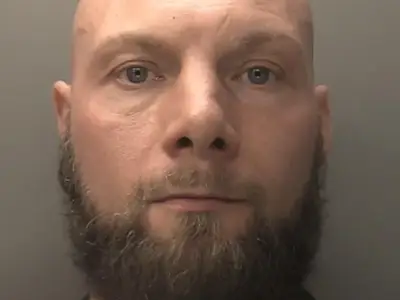
Feckey, originally from Sutton in Ashfield, Nottinghamshire, was serving a four-year sentence for grooming and attempting to meet a child. The court heard how he had travelled from his home to Gwent in Wales intending to meet someone he believed was a 14-year-old girl, only to be arrested at a train station following a tip-off from an online activist group.
Further investigation revealed explicit messages sent to another child he thought was 13 years old. Feckey admitted to attempting to meet a child after grooming and two counts of attempting to incite a child into sexual activity.
Sustained Abuse Behind Bars
During his incarceration, Feckey became a target for other prisoners. He endured consistent verbal abuse, physical assaults, and had personal items stolen from his cell. In one particularly violent incident, another inmate entered his cell and threw a kettle of boiling water at him.
This assault was not initially reported to authorities, with police only becoming aware months later when Feckey himself wrote to Wigston Police Station. An investigation was scheduled to commence shortly before his death.
Systemic Failures and Staffing Challenges
The coroner's report revealed that Feckey was moved six times within the prison in attempts to separate him from aggressors. This occurred during a period when the prison population approached maximum capacity, housing approximately 1,700 inmates including around 700 sex offenders.
Staffing presented significant challenges, with the report noting that 'the majority of the staff were inexperienced' and for many, it was their first position within the prison service. This inexperience reportedly hampered their ability to provide adequate protection and support.
Ignored Pleas for Help
Feckey repeatedly informed both custodial and healthcare staff that he could not cope with life at Fosse Way Prison, telling them he felt 'anxious and unsafe'. He believed his calls for assistance were being disregarded.
His sister, aware of the severe impact on his mental health, wrote to the prison governor on August 6, 2024, and again on September 16, 2024, expressing her urgent concerns. She received no response to either communication.
Official Responses and Ongoing Scrutiny
The coroner's report concluded that Feckey was 'primarily let down by the custodial system'. While staff were generally described as conscientious and well-meaning, overwhelming circumstances prevented them from performing their duties to the required standard.
A Ministry of Justice spokesperson stated they would carefully consider the inquest findings. Meanwhile, a Serco spokesperson commented: 'Any death in custody is a tragedy. We are studying the coroner's report and findings closely.'
The case has raised serious questions about prisoner welfare protocols and the management of vulnerable individuals within the UK's penal institutions.