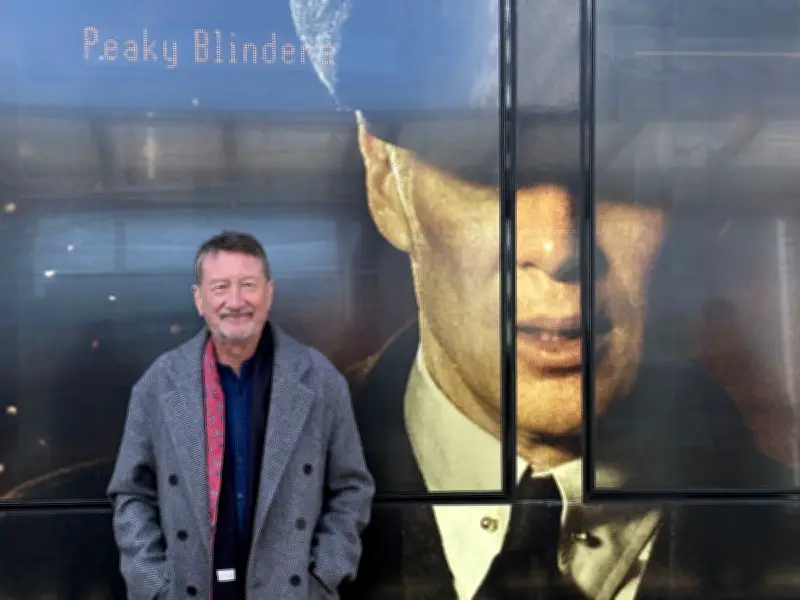
Peaky Blinders creator Steven Knight has declared that Birmingham is on track to become a 'world class' television and film hub after a 'ten years of struggle', as he gave evidence to MPs on the BBC royal charter review inquiry. The vision for Digbeth to sit at the heart of a citywide production, creative and filming integrated set-up that is the envy of the rest of the country and draws in global talent is rapidly taking shape, he told the culture select committee.
From Frustration to Reality: The Birth of Digbeth Loc Studios
Knight explained that the genesis of his Digbeth Loc Studios in Montague Street emerged from his frustration that early series of Peaky Blinders were being shot in Manchester, Leeds and Liverpool, rather than his native Birmingham. 'That was fine, because they have fantastic locations and great infrastructure, but I just felt that we should be shooting it in Birmingham,' said Knight. 'I naively thought it would be quite simple to set up a studio in Birmingham. Well, 10 years later, we are pretty much there. It has been a struggle.'
A 'World Class' Location with Local Benefits
Knight described his desire to make the studios a 'world class' location that would not only produce great TV and film work but also provide training and jobs for local people. 'It is not going to be a place that makes programmes only about the West Midlands. We want it to be internationally known. We want it to be world class. We want it to be bringing in sci-fi, American productions, big productions and small productions,' he said. He emphasised that the studios would be 'porous' and integrated into the community, unlike some studios that 'land it like a spaceship, put barbed wire around it and ship people in to do the work.'
Transforming Derelict Warehouses into Creative Spaces
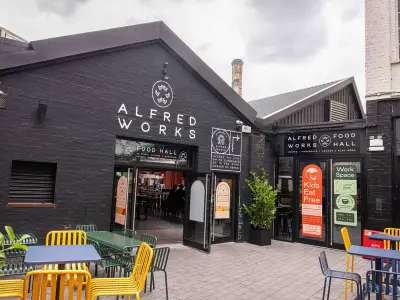
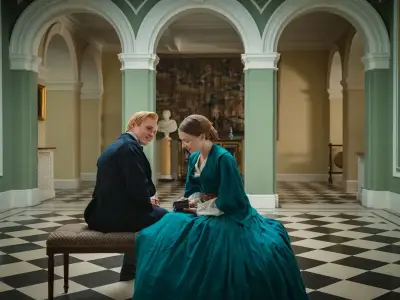
The studios have emerged out of a derelict, unloved space in the heart of Digbeth, comprising 20 acres of beautiful canal architecture warehouses. Knight described the transformation of the Banana warehouse, next to where the Grand Union Canal begins, which now houses the MasterChef team, producing 65 hours of television a year. 'Across the canal, we made the Peaky Blinders movie (The Immortal Man), which was hugely successful across the globe. We are currently making the new Peaky Blinders series. Next door, we have Silent Witness in production,' he added.
Critical Role of the BBC and Regional Support
Knight praised the BBC for its critical backing, from the early support of Peaky Blinders to the creation of its regional headquarters nearby in the former Tea Factory. 'Anyone looking at a brand new studio in a city that does not have a reputation for making stuff sees that the BBC is investing in it. Suddenly, that becomes a game changer,' he said. He also highlighted the support from West Midlands Mayor Richard Parker and the combined authority, which has set up a new screen body as a one-stop shop for productions.
Call for Regional Tax Breaks
Knight urged the Government to offer West Midlands-specific tax breaks to overseas film makers, arguing that the region has not benefited from national Government help in the way other regions have. He proposed a regional 'uplift' of 21.5% tax break, compared to the national 20% for international productions, saying 'trust me, a producer in Los Angeles who sees 20%...then 21.5% is going to go for the higher one.'
Economic Impact and Future Growth
Knight noted that the sector requires a wide range of skills, from carpenters and electricians to drivers and tech people, and that once production starts, related industries naturally emerge. He stressed the importance of capitalising on the global success of Peaky Blinders, with fans coming to Birmingham looking for related experiences. Asked if the BBC sufficiently invested in the West Midlands, given that local licence payers contribute £942 million a year but spending locally is around £80 million, Knight said investment was 'creeping up' but should be 'supercharged'.