As the final hours of 2025 tick away, millions across the UK and beyond are preparing not just parties, but age-old rituals to welcome 2026. A tapestry of global superstitions offers a unique way to ring in the new year, each promising to attract luck, love, and prosperity.
Midnight Actions for a Prosperous New Year
The moment the clock strikes twelve is considered powerfully symbolic. Several traditions hinge on specific actions taken at midnight to set the tone for the coming twelve months.
In Denmark, people traditionally leap off a chair or sofa as the new year arrives. This jump symbolises leaving the old year's misfortunes behind and landing squarely into a fresh start. Superstition warns that failing to jump could invite bad luck for all of 2026.

Meanwhile, an Irish custom involves families banging loaves of bread against doors and walls at midnight. This noisy practice was believed to chase away evil spirits, hunger, and bad luck, inviting good fortune and abundance. While less common today, the spirit of the tradition lives on in the widespread practice of banging pots and pans to create a cacophony at midnight.
For those seeking romantic fulfilment, another Irish superstition suggests placing a sprig of mistletoe under your pillow before sleeping on New Year's Eve. It is said this can attract love in the coming year and may even prompt dreams of a future partner.
Symbolic Foods and Objects for Fortune
Many New Year's rituals involve consuming or using specific items believed to carry symbolic power, transferring their qualities to your year ahead.
One of the most delicious traditions comes from Spain: eating twelve grapes as the clock chimes twelve times at midnight. Each grape is meant to bring good luck for one month of 2026, and consuming them all in time is thought to ensure a year of prosperity.
In Greek and Turkish cultures, smashing a pomegranate on the ground at midnight is a common practice. The fruit symbolises good luck, prosperity, and fertility. The more its seeds scatter, the greater the fortune, health, and happiness predicted for the household. Pomegranates are often hung on doors beforehand, ready for their symbolic destruction.
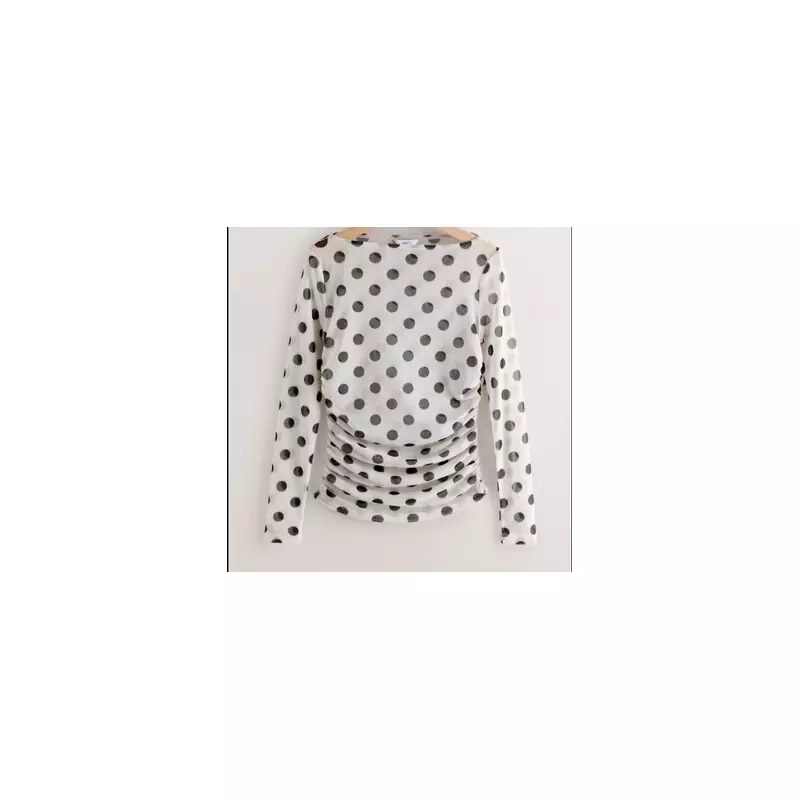
Your outfit choice could also influence your financial year. The tradition of wearing polka dots on New Year's Eve originated in the Philippines. The round dots are thought to resemble coins, and wearing them is believed to help attract wealth and abundance in the year ahead.
Post-Midnight Rituals and Household Customs
Some crucial traditions occur just after the bells have finished ringing, focusing on the first moments and first visitor of the new year.
The Scottish practice of first-footing is deeply rooted. It holds that the first person to cross your threshold after midnight sets the luck for the household. The ideal first-footer is a tall, dark-haired man carrying symbolic gifts like coal (for warmth), bread (for food), salt (for flavour), and whisky (for cheer). This ritual is believed to ensure good fortune, health, and abundance. The preference for dark hair dates to the Viking era, when a fair-haired visitor might signal danger. It is also considered unlucky for anyone to leave the house before the first-footer arrives.
Another widespread belief, found in many cultures, is that breaking glass or dishes at the new year wards off evil spirits and clears negative energy. It represents a clean slate, and a large pile of broken pieces by New Year's Day is seen as a very good sign. The more shards you have, the luckier 2026 is forecast to be.
Finally, an Irish tradition recommends briefly opening all the doors and windows of your home at midnight. This act is said to let the old year and its associated troubles escape, while opening the front door welcomes in the new year, good fortune, and a fresh beginning.