Bristol is poised to enter the race to become the UK City of Culture in 2029, a move that could bring significant economic and social benefits to the city. Councillors are set to meet to decide on submitting an initial expression of interest to the government.
Council Decision and Bid Process
On Tuesday, 20 January, Bristol City Council's Strategy and Resources Policy Committee will decide whether to submit an expression of interest to the Department for Culture, Media and Sport (DCMS). This marks the first formal step in a multi-stage national competition that began in 2009. If approved, Bristol will join other cities vying for the 2029 title, following in the footsteps of the current holder, Bradford, which won the 2025 accolade from a field of 20 bids.
The process involves several stages, starting with this initial expression of interest. A shortlist of cities is then invited to develop full, detailed bids. The council has confirmed that preparing this first-stage document has been led by a collective of local cultural leaders and organisations, at no cost to the local authority. Should Bristol progress, a development grant of £60,000 would be available to support the creation of the full bid.

A Bid for Inclusive Cultural Change
Philip Walker, head of culture at Bristol City Council, emphasised that the bid would be about more than just high-profile events. He stated that while Bristol is renowned for its creativity—from street art and music to festivals and independent venues—not all residents have equal access to these cultural experiences.
Barriers such as cost, location, and representation mean some communities feel disconnected from Bristol's cultural offer, Mr Walker explained. A UK City of Culture bid would aim to change that by cementing culture as a tool to tackle inequality, strengthen communities, and inspire future generations. The approach would be rooted in the city's grassroots scene, focusing on community-led projects, local artists, and neighbourhood initiatives.
"By building from the ground up, our bid would seek to ensure that everyone, regardless of background or postcode, can experience and benefit from Bristol’s vibrant cultural life," he said.
Leveraging Bristol's Creative Reputation
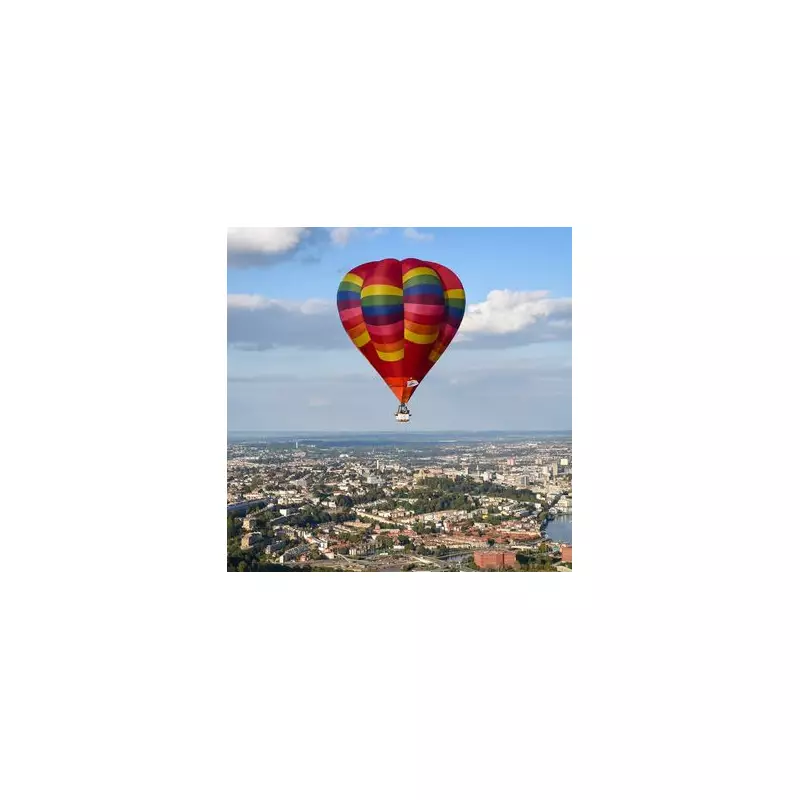
Dr Anna Rutherford, co-chair of the One City Culture board, described culture as one of Bristol's "greatest assets." She highlighted the city's unique blend of international reputation and local character, citing icons from engineer Isambard Kingdom Brunel and the Bristol International Balloon Fiesta to street artist Banksy, Aardman Animations, and the Bristol Old Vic theatre.
"From our Bottleyard and Beacon, to St Paul’s Carnival, Brabazon and Idles, the city is uniquely alive with civic and creative energy," Dr Rutherford added. She believes a successful UK City of Culture year would grow the cultural sector, attract visitors and investment partners, and offer a profound chance for civic renewal.
The ultimate goal would be to leave a lasting legacy of stronger communities, new skills, and enhanced civic pride. The council has stated that any future full bid will be developed in partnership with a wide range of cultural organisations, community groups, businesses, and residents, ensuring the city's diverse voice is heard in the process.