While many in the UK associate Christmas with turkey dinners, paper crowns, and festive TV specials, celebrations take remarkably different forms across the globe. From fast-food feasts to visits from mythical beasts, the world is full of unique Yuletide customs that offer a fascinating glimpse into diverse cultures.
Festive Feasts and Frightening Folklore
In Japan, a bucket of fried chicken has become synonymous with Christmas dinner. The tradition, known as Kentucky Fried Christmas, sees an estimated 3.5 million families queue for KFC's special 'party barrels'. This custom dates to a 1970s marketing campaign and remains so popular that many pre-order their meals weeks in advance. Colonel Sanders statues outside outlets are often dressed in full Santa attire.
Meanwhile, in Iceland, the festive season is governed by a host of eccentric characters. Children await the arrival of the 13 Yule Lads, troll-like figures who visit on the thirteen nights before Christmas. They leave a shoe on the windowsill, finding a small gift or a rotten potato depending on their behaviour. More fearsome is the Yule Cat, a monstrous creature from folklore said to devour anyone who hasn't received new clothes by Christmas Eve.

Honouring Ancestors and Warding Off Evil
In Finland, Christmas Eve is a time for quiet remembrance. As darkness falls, families visit cemeteries to place candles on the graves of loved ones. This poignant ritual is so widespread that authorities estimate around three-quarters of Finnish families take part, sometimes requiring traffic management for the influx of visitors. Earlier in the day, many observe joulusauna (the Christmas sauna), a calming tradition where respect is shown to the Saunatonttu, the guardian sauna elf.
The Alpine regions of Austria offer a more chilling tradition. On 5 December, known as Krampusnacht, the horned, half-goat figure Krampus roams the streets. Accompanied by Saint Nicholas, Krampus is tasked with punishing misbehaving children, while the saint rewards the good. Today, organised parades feature locals in heavy fur costumes and carved wooden masks, creating a spectacularly eerie spectacle.
Masked Merriment and Dancing Beasts
Latvia's midwinter celebrations feature groups called Kekatas who travel from home to home wearing intricate animal masks and haunting skeletal costumes. In exchange for performances, hosts offer food and drink, believing it brings good fortune for the year ahead. Latvia also stakes a historical claim, citing a written account from 1510, to being the birthplace of the decorated Christmas tree tradition.
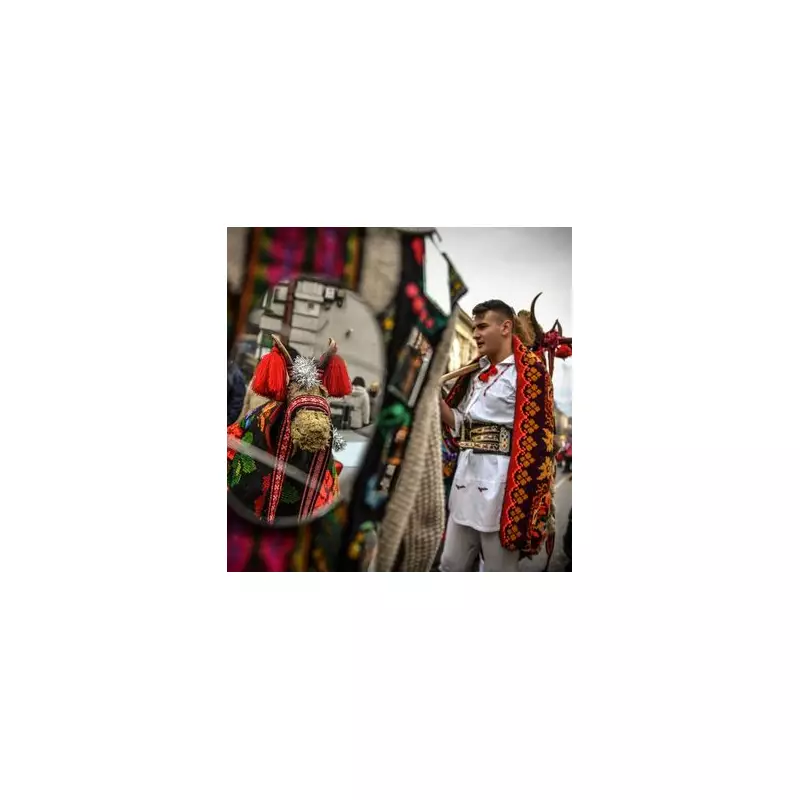
In Romania, the New Year is welcomed with the lively Capra (goat) dance. A performer wearing a decorated goat mask and sheepskin visits households with musicians, performing energetic dances meant to bring fertility and forecast the coming year. Offering a small reward to the Capra is seen as inviting good fortune into the home.
These traditions, from England's crackers to Romania's dancing goats, demonstrate that the spirit of Christmas is universal, even if the celebrations are wonderfully diverse. They remind us that the festive season can be a time for reverence, revelry, remembrance, and even a little bit of fear, all woven into the rich global tapestry of Yuletide.