Steven Knight, the acclaimed creator of Peaky Blinders, has announced his determined vision to transform Birmingham into the United Kingdom's central hub for film and television production.
The 'Made of Brum' Spirit
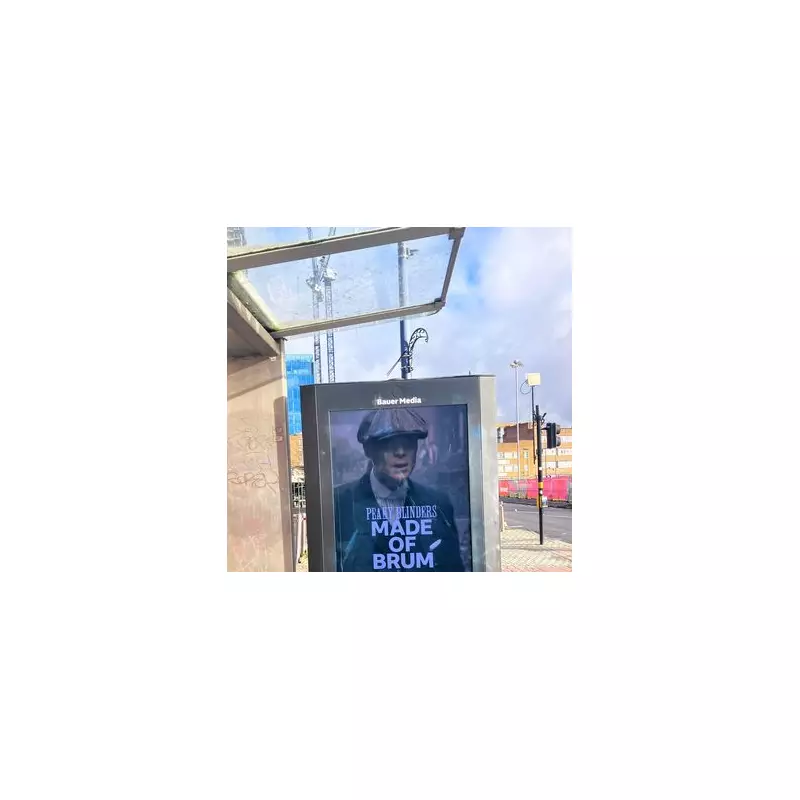
The celebrated writer, who grew up in Small Heath, credits his hometown as the inspiration behind his internationally successful BBC drama. Knight's sentiment about the city's character is currently showcased across Birmingham on more than 100 'Made of Brum' billboards and posters, featuring local icons like Cillian Murphy, Guz Khan, and the late Ozzy Osbourne.
He describes Birmingham's essence as a combination of its strong personality and its manufacturing legacy. "It's the people really and it's the tradition and it's a city that has always made things," Knight stated. He praised Brummies for being "very down to earth" with "fantastic and self-deprecating" humour, though he suggested the city should be more vocal about its virtues.

Building on Manufacturing Heritage
Knight emphasised that Birmingham possesses "a swagger without arrogance" and doesn't carry a chip on its shoulder about being Britain's second city. He highlighted the city's diversity and its ability to take challenges in stride while maintaining its unique character.
The city's rich manufacturing tradition is now being complemented by emerging sectors including technology, computer games development, and a rapidly growing film and television industry. Knight is spearheading this transformation through the establishment of Digbeth Loc. Studios, where two new series of Peaky Blinders featuring a new generation of Shelbys will be filmed.
A Future Built on Making
Knight proposes the slogan "make it in Birmingham" to promote the city, emphasising that it's both a place where things are manufactured and where people can achieve success. He pointed to Birmingham's central location and connectivity as significant advantages, describing it as a "young city" where opportunities abound.
Major developments are already underway to support this vision. The BBC's new regional headquarters at The Tea Factory in Digbeth, along with its agreement with the West Midlands Combined Authority and Create Central, will see BBC network television production spending in the West Midlands nearly double to £40 million annually by the end of 2027.
Knight sees the film and TV industry as the vanguard of Birmingham's future success, noting it employs a wide range of professionals from drivers and carpenters to technicians, actors, and writers. "We want it in Birmingham, we want Birmingham to be the hub for making film and television. And we will, we'll make it happen," he declared.
He also expressed strong support for the BBC, describing it as "the media university for Britain and therefore Europe" and a "national treasure" that provides the training foundation for Britain's successful film industry. Knight committed to continuing his work with the broadcaster, praising its unique ability to produce content ranging from Blue Planet and Strictly to intellectually substantial programming that captures mass appeal.