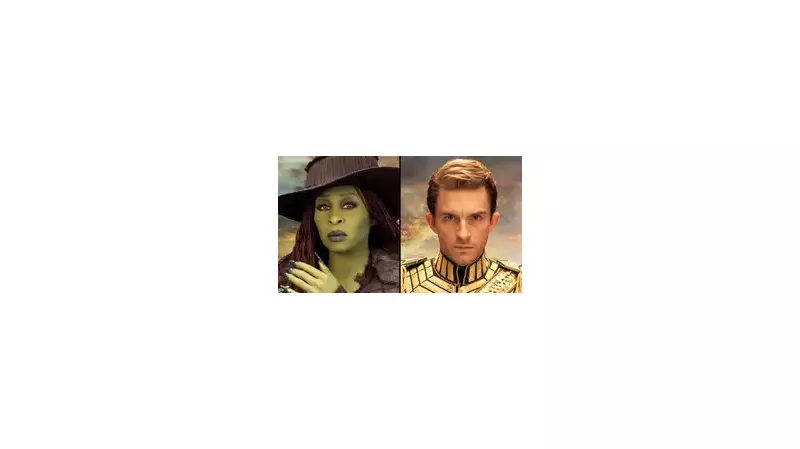
Film director Jon M. Chu has made a surprising revelation about Wicked: For Good, confirming that the movie adaptation nearly concluded with a completely different, much darker ending than what audiences will see in cinemas.
The Original Dark Vision
In an interview with Entertainment Weekly, Chu explained that early versions of the film's conclusion portrayed the desert beyond Oz as a threatening, frightening landscape. The director described initial concepts as "darker and scarier — like walking into your fears," closely aligning with Frank L. Baum's original depiction of the Deadly Desert from The Wonderful Wizard of Oz book.
This abandoned approach would have shown Elphaba and Fiyero venturing into a genuinely dangerous environment, reflecting the warnings Elphaba gives to fleeing animals earlier in the film about the desert's rumoured perils.

A Deliberate Shift to Hope
Ultimately, Chu made the conscious decision to transform this fearful landscape into something representing potential and new beginnings. "[The desert] is not dead space, it's possibility," the director stated, emphasising his vision of the unknown as something to be embraced rather than feared.
The final version, which remains largely faithful to the beloved stage musical, shows Elphaba and Fiyero walking into a glittering desert space to start their new life together. Chu's decisive instruction to his team was simple: "Let's put sparkles in that sand!" – transforming the symbolic landscape into one filled with hope.
Contrasting Endings and Their Meanings
The chosen ending creates a stark contrast between Glinda's story – where she believes her friends have died and commits to being good, discovering her magical abilities – and Elphaba's actual fate. While Glinda mourns, Elphaba and Fiyero embark on a new beginning.
The glitter in the sand now represents the hope of what the couple can build outside Oz's boundaries, leaving their oppressive past behind. Though their ultimate destination remains unclear, the film suggests Elphaba might use her powers to establish a new community with Fiyero and the escaped animals.
This deliberate choice to end on an optimistic note rather than a frightening one demonstrates Chu's commitment to maintaining the musical's emotional core while giving cinema audiences a visually stunning, hopeful conclusion to this beloved story.