Mid-August has always delivered a fascinating blend of royal pageantry, sporting glory, and quintessentially British eccentricities. From a monarch's last-minute health scare to the birth of a controversial seaside tradition, this week in history offers a captivating glimpse into moments that shaped the nation. Here's a deep dive into the headlines, cultural shifts, and oddities that defined August 9 to 15 across the decades.
A Royal Delay and an Olympic Triumph
On August 9, 1902, King Edward VII was finally crowned at Westminster Abbey, a full six weeks later than originally planned. The delay came after the monarch suffered a life-threatening bout of appendicitis just days before the scheduled June coronation. The nation held its breath during his recovery, but the eventual ceremony marked the grand official start of the Edwardian era, a period of social and cultural transformation.
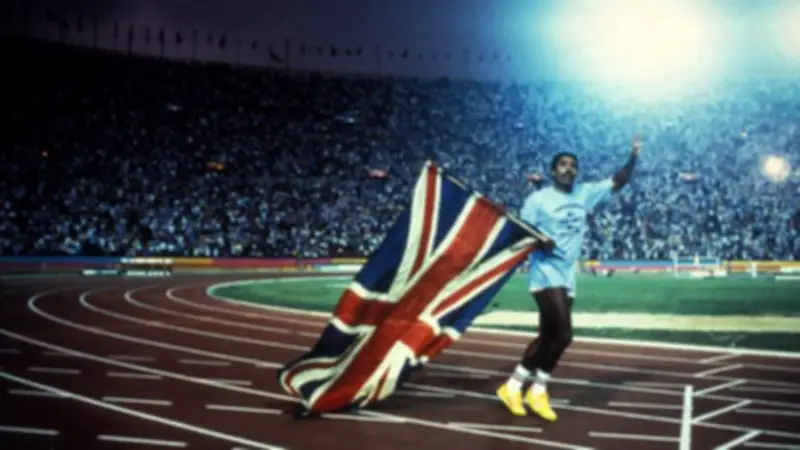
Fast forward to August 11, 1984, and Britain was glued to television screens as decathlete Daley Thompson clinched his second consecutive Olympic gold medal in Los Angeles. Thompson's commanding performance, which included a personal best in the 100 metres and a dramatic final 1,500 metres, cemented his status as one of the country's greatest-ever sporting legends. His victory sparked nationwide celebrations and inspired a generation of young athletes.
Brighton's Bold Nudist Beach Debut
On August 9, 1979, Brighton made headlines for a very British scandal: the official designation of the UK's first public nudist beach. Despite fierce protests from local residents who feared a collapse of moral standards and public order, councillors approved a stretch of shingle for clothes-free sunbathing. The opening day attracted crowds of curious onlookers, photographers, and a handful of brave souls willing to brave the chilly sea breeze in their birthday suits.
The beach quickly became a landmark of coastal eccentricity, drawing visitors from across the country. Over four decades later, it remains a popular spot for naturists and a symbol of British tolerance for quirky traditions. The initial controversy has long faded, replaced by a sense of local pride in the area's liberal spirit.
Music and Pop Culture Shifts
If you tuned into the radio on August 12, 1972, you couldn't escape the roaring guitars of Alice Cooper, whose anthem 'School's Out' hit the top spot on the UK Singles Chart. The track became the ultimate summer soundtrack for teenagers enjoying their holidays, capturing the rebellious spirit of the era.
Meanwhile, this week in 1963 saw a seismic shift in British television. On August 9, ITV aired the first episode of Ready Steady Go!, hosted by the iconic Cathy McGowan. With its famous slogan 'The weekend starts here!', the show defined the Mod era, featuring live performances from The Beatles, The Rolling Stones, and The Who. It revolutionised music television and remains a cultural touchstone for the Swinging Sixties.
Cinema and Small Screen Favourites
In mid-August 1991, cinema queues stretched around the block for James Cameron's sci-fi masterpiece Terminator 2: Judgment Day. The film dominated the UK box office for weeks, pushing visual effects to unprecedented heights with its groundbreaking liquid-metal morphing sequences. It became a cultural phenomenon, earning critical acclaim and a devoted fan base.
On the small screen, August was prime time for summer light entertainment. Families gathered around to watch repeats of The Morecambe and Wise Show or catch up on the drama in EastEnders, which dominated ratings in the mid-1980s. The Queen Vic pub drama reached boiling point, keeping viewers hooked with its gripping storylines and memorable characters.
Star Birthdays and Notable Figures
This week also marks the birthdays of several influential figures. Thomas Telford, born August 9, 1757, was the legendary Scottish civil engineer known as the 'Colossus of Roads'. He designed the Menai Suspension Bridge and over 1,000 miles of road across Britain, revolutionising transport infrastructure.
Alfred Hitchcock, born August 13, 1899, was the East London-born 'Master of Suspense' who directed cinematic masterpieces such as Psycho, Rear Window, and Vertigo. His influence on filmmaking remains unparalleled.
Steve Cram, born August 14, 1960, earned the nickname 'Jarrow Arrow' for his dominance in middle-distance running during the 1980s. He set world records in the 1,500m and mile events before becoming a staple BBC commentator.
The Quirky Tale of the Tower Ravens
Did you know that on August 10, 1675, King Charles II laid the foundation stone of the Royal Observatory in Greenwich? But the quirky twist? The first Astronomer Royal, John Flamsteed, complained that ravens in the Tower of London were interfering with his astronomical observations. Rather than shooting the birds, the King decreed that at least six ravens must remain at the Tower at all times to prevent the kingdom from falling. This tradition is still strictly enforced by royal guards today, a testament to British superstition and love of ceremony.
Reflecting on History's Surprises
These historical moments reveal a nation's resilience, creativity, and occasional eccentricity. From royal health scares to sporting triumphs and seaside scandals, mid-August has consistently delivered stories that capture the British spirit. Which of these moments surprised you the most? Perhaps the nudist beach or the ravens' royal protection? History, after all, has a way of blending the profound with the peculiar.