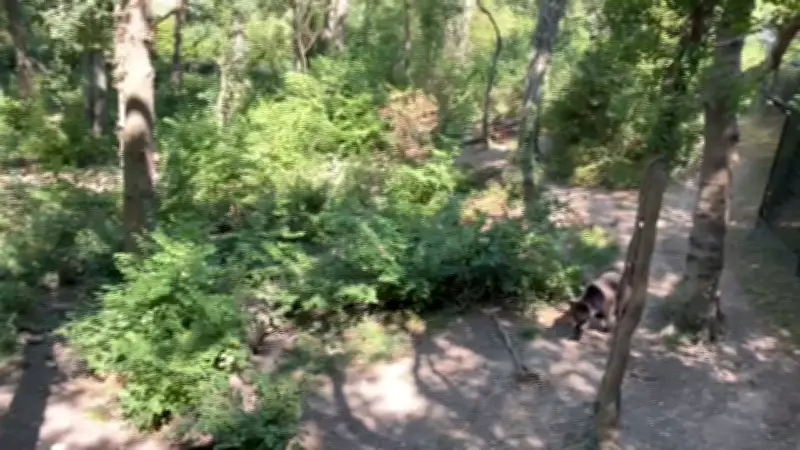
Bristol Zoo Project's Bear Wood, a 7.5-acre ancient woodland, offers visitors a treetop walkway where brown bears, wolverines, lynx and wolves roam freely, and it's just 80 minutes from Birmingham. Parenting Editor Zoe Chamberlain visited with her teenage sons and found the experience both magical and worth the wait, despite initial challenges spotting the animals.
Treetop walkway and patient wildlife watching
Zoe Chamberlain and her family arrived in the morning and initially saw no animals. A volunteer explained that this is a common complaint, advising visitors to be patient, return throughout the day, and look carefully. The family returned a couple of hours later and spotted a wolverine enjoying a sand bath, which Chamberlain described as a real treat.
Later, they saw the entire pack of six wolves running around. These wolves, all brothers, have just moved in—three are two years old and three are one year old, making them pups new to the project. Once familiar with their environment, they will be moved in with the bears, as they have different food sources and pose no threat to one another.
Bears and unique shared habitat
Bear Wood is the only place in a UK zoo where bears and wolves share a habitat. The bears eventually appeared, with one playfully followed by another and a third taking a cooling bath in the pond. Chamberlain noted the mama bear was huge, with enormous claws and a muscular body. One cub sat upright beneath their feet like a teddy bear, providing a hilarious moment.
Chamberlain said they loved the experience more because they had to 'work for it', making it feel more natural and undisturbed, rather than seeing animals behind a cage. They also saw a lynx sprawled out on its back, sleeping in the sunshine.
Beyond Bear Wood: African Forest and family facilities
The zoo also features a new African Forest section with a band of gorillas, including a newly introduced gorilla chasing others around the enclosure. Other animals include zebras, giraffes, ostriches, red pandas, cheetahs, and deer. Visitors can walk through the lemur enclosure and watch geladas, which Chamberlain had never heard of before, describing them as very wise and hairy baboons with rich vocal communication.
The design of the zoo impressed Chamberlain, with benches and picnic tables under canopies, water stations for free bottle refills, and a walled garden and sanctuary garden. The playgrounds were awesome, including a tree house at the end of the Bear Wood trail and Explorer's Base Camp, a three-storey play tower with rope jungles, a companion slide, floor trampolines, a family swing, a racing zip line, and an animal footprint climbing wall. There is also a Base Camp Pizzeria and a Fun Fort with indoor play areas near the Courtyard Café.
Conservation work and how to get there
Bristol Zoo Project is a conservation charity working in nine countries across four continents, contributing to 50 co-ordinated breeding programmes and animal health and welfare research projects. It works with students at Bristol University, championing six flagship species, including blue-eyed black lemurs, turquoise dwarf geckos, bleeding-heart doves, Ankarafa skeleton frogs, Corfu toothcarp fish, and white-clawed crayfish.
The zoo is accessible via an 80-minute direct train from Birmingham New Street to Bristol, then a local train to Clifton Down station and a ten-minute stroll past Clifton Suspension Bridge. Alternatively, it takes an hour and a half to drive via the M5, with free parking and just two miles from the motorway junction. Chamberlain, whose boys are now 19 and 17, said they can't wait to return again very soon.