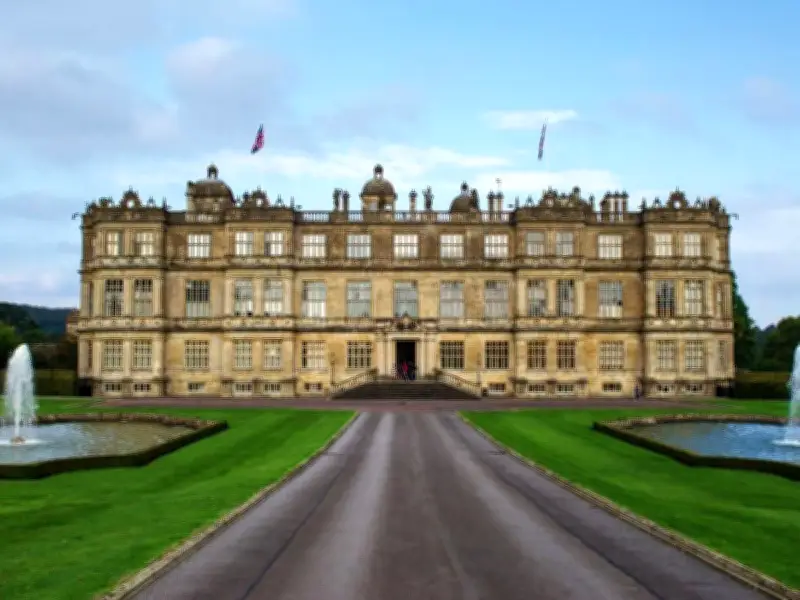
Wiltshire Council has granted listed building consent for essential repairs to an Elizabethan turret at Longleat House, following damage caused by deathwatch beetles and long-term water ingress. The Grade I listed venue, the county's second most-visited tourist attraction after Stonehenge, will see restoration of one of its three octagonal lanterns and stair turrets, designed by Robert Smythson in the 1560s.
Historic Significance and Damage
The turret, located on the western wall of the eastern courtyard, is considered "of high significance" as part of the original 16th-century design. Specialists informed the council that the structure has suffered from "long-term water ingress through its exposed domed masonry roof and upper blind windows," which allowed moisture to penetrate and enabled deathwatch beetles to attack timber beams.
Deathwatch beetles are notorious wood-boring pests, known for the tapping sounds they make at night, which in folklore were believed to signal misfortune. In reality, their burrowing can cause substantial structural damage over time. "Combined with a lack of ventilation, this has resulted in damage to internal finishes and decay to the ceiling and floor structure below," planners were told.
Proposed Repairs
The restoration proposals aim to "undertake essential structural repairs and address this water ingress, to create a dry and ventilated turret space, while also improving access for ongoing and future maintenance." The works are intended to ensure that the turret and the rooms beneath are better protected from further deterioration and potential harm.
Restoration will be carried out on a like-for-like basis, preserving the turret's historic character. The turret is only clearly visible from the house rooftop, with partial glimpses from the Horningsham entrance drive to the south and the parkland to the east.
Impact and Context
Longleat House, famous for its safari park, attracts hundreds of thousands of visitors annually. The repair work will secure the structural integrity of one of its most distinctive features, ensuring the building remains safe and accessible for future generations. The decision underscores the council's commitment to preserving Wiltshire's architectural heritage.