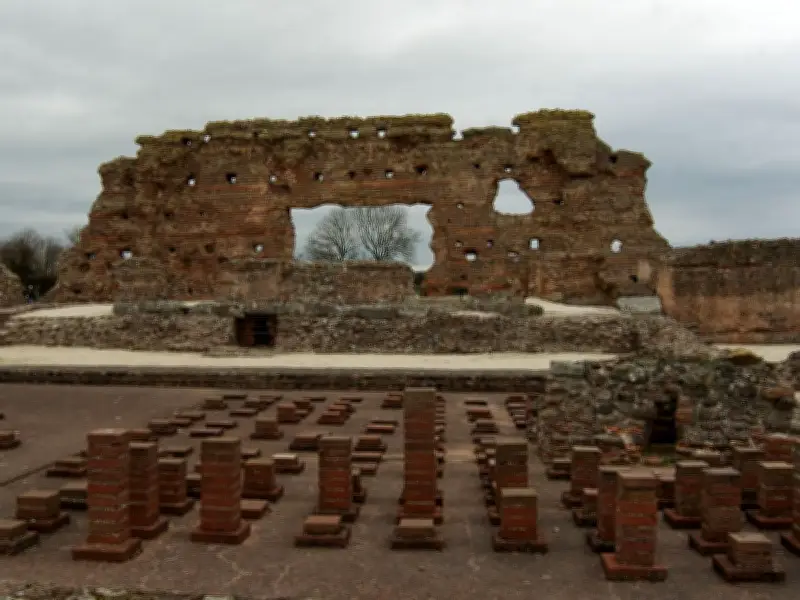
Wroxeter Roman City, once known as Viroconium Cornoviorum, is one of the UK's most significant archaeological treasures, located just five miles east of Shrewsbury in Shropshire. Dating back to the 50s AD, this site was the fourth-largest city in Roman Britain at its 2nd-century peak, covering roughly 180 acres — about the same size as Pompeii in Italy — and housing over 5,000 residents. For Birmingham residents, it's an easy 50–60 minute drive, offering a rare, unspoiled window into Roman urban planning.
From Legionary Fortress to Provincial Capital
Wroxeter began as a frontier legionary fortress accommodating up to 5,500 soldiers. When the Roman military advanced north, it transformed into a bustling provincial capital for the local Cornovii tribe, complete with civic buildings, shops, and luxury villas. Unlike London, York, or Chester, Wroxeter was never built over by later medieval or modern towns after its abandonment between the 5th and 7th centuries. Its ruins remained in open farmland, preserving an authentic snapshot of Roman life beneath the soil.
The Iconic Wall and Baths Basilica
The site's defining feature is a towering 21-foot brick-and-stone wall, the largest piece of freestanding Roman wall surviving in the UK today. Originally part of a massive baths basilica — an indoor exercise and gathering hall similar in scale to a cathedral — it led into an expansive public bath complex with underfloor heating systems. Visitors can marvel at this engineering feat and imagine the social hub it once was.
Reconstructed Roman Townhouse and Watling Street
In 2010, a full-scale replica Roman townhouse was built on-site using only traditional tools, lime mortar, and ancient Roman techniques, as featured on Channel 4's "Rome Wasn't Built in a Day." Visitors can also walk along the edge of Watling Street, a major Roman road, and see the stone column bases that marked the entrance to the civic forum.
Visitor Centre and Everyday Artefacts
The modern visitor centre houses hundreds of everyday artefacts unearthed during archaeological digs, including delicate Roman glass, cosmetic tools, hairpins, pottery, coins, writing tablets, and a reconstructed strigil — a tool used for scraping oil off skin in the baths. These exhibits offer a tangible connection to the daily lives of Wroxeter's ancient inhabitants.
Practical Information for Visitors
Wroxeter Roman City offers free parking, an audio tour included with entry, accessible paths across most of the ruins, baby changing facilities, a gift shop, and a dog-friendly policy. Whether you're a history enthusiast or seeking a unique day out, this site provides an unforgettable experience just an hour from Birmingham.