If you grew up during the 1980s or 1990s, certain items represented the absolute pinnacle of cool. These weren't just products - they were status symbols, technological marvels, and design statements that captured the imagination of an entire generation.
The Space-Age Television That Became a Design Icon
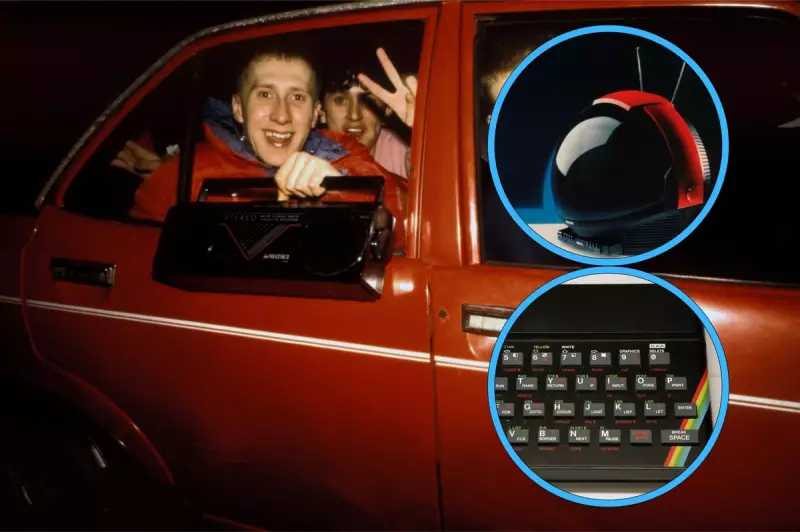
The Philips Discoverer TV revolutionised how we thought about television sets. Before its arrival in the mid-1980s, televisions were functional boxes designed purely for viewing. This limited edition 14-inch colour TV, inspired by an astronaut's helmet complete with a visor that lowered over the screen, transformed televisions into desirable furniture pieces.
Created to celebrate NASA's first space shuttle launch in 1981, the Philips Discoverer didn't reach consumers until several years later. Its production run was brief, but its impact was lasting. Today, well-preserved models command prices exceeding £1,000 on platforms like eBay, cementing its status as a true design classic.
Transparent Technology and Clap-Activated Gadgets
Nothing screamed 80s cool quite like the see-through telephone. This revolutionary design satisfied our curiosity by revealing the inner workings of the device while boasting the neon colours that dominated the era. The added magic of lights illuminating with each ring made receiving calls an event in itself.
One nostalgic owner recalled: "I would turn all the ringers off in my house except for this phone in my bedroom and it would light up when my sixth grade boyfriend would call."
Meanwhile, The Clapper promised hands-free lighting control through simple clapping. Marketed as a life-changing convenience device, most users found it more entertaining than practical. The lights frequently activated unexpectedly due to other noises, creating both frustration and amusement.
As one person noted: "Imagine using a clapper and then an ad for it suddenly starts playing and your lights go on and off." Despite the impracticalities, The Clapper remains an unforgettable novelty item from the period.
Computing Revolution and Portable Music
Apple's iMac G3, launched in 1998, shattered computer design conventions. At a time when most PCs occupied beige rectangular boxes, this all-in-one machine featured colourful, translucent casing that made computing visually exciting. The user-friendly interface and striking appearance made it a coveted item for teenagers everywhere.
For music lovers, the boombox represented portable audio supremacy. While the Walkman allowed private listening, boomboxes enabled shared musical experiences. The larger and louder the model, the better - though carrying these substantial stereo systems required considerable strength. They literally allowed you to bring the party anywhere.
Groundbreaking British Computing and Organisational Tech
The ZX Spectrum, released in April 1982, democratised home computing in Britain. Priced under £100, it became one of the first affordable computers for millions of households. Sir Clive Sinclair's team created a practical, compact machine with a distinctive black keyboard featuring a rainbow motif.
The ZX Spectrum proved enormously successful, with over five million units sold, making it both a technological milestone and design icon.
Before smartphones organised our lives, Psion PDAs (Personal Digital Assistants) kept us on track. The Series 3a and 5a models from the 1990s featured clever clamshell designs with practical keyboards and comprehensive functions including word processors, spreadsheets, calendars, and games. Later versions incorporated touchscreens with conveniently stored styluses.
These seven items represent more than just products - they're time capsules of technological innovation and cultural trends that defined two decades of British life.