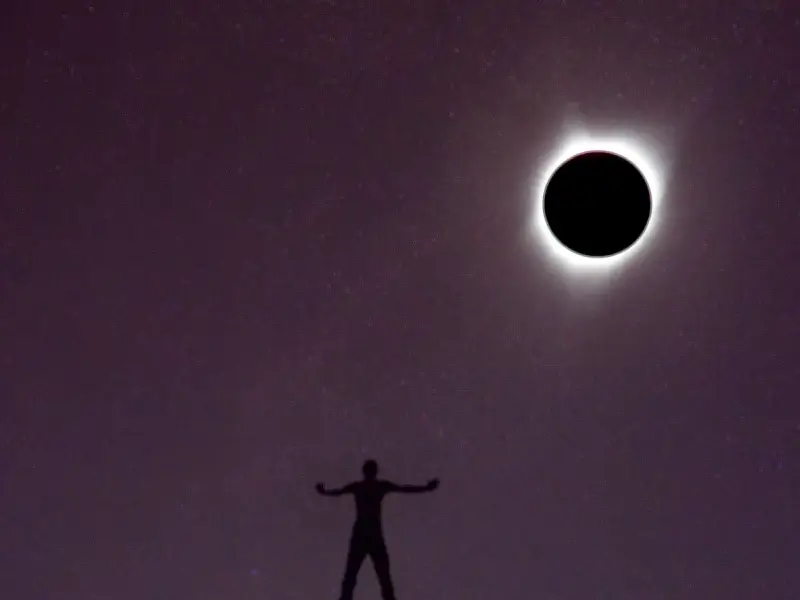
This evening promises to be one of the most remarkable nights for astronomy enthusiasts in recent decades, and if you step outside solely for the solar eclipse, you'll be missing something truly special. Britain hasn't witnessed a solar eclipse of this magnitude since 1999. Tonight, the moon will obscure approximately 90% of the sun, with the partial eclipse beginning shortly after 6pm and the spectacular climax – when the sun reaches its maximum concealment – occurring just past 7pm.
It's a stunning spectacle in itself, but the genuine wonder starts after sunset in Birmingham. The Perseid meteor shower is reaching its absolute zenith tonight, 12th August, and the timing couldn't be more ideal.
Why Tonight's Alignment Is So Special
Space enthusiast Ricky D'Costa, who has built a dedicated following on TikTok by posting fascinating insights about the cosmos, is encouraging people to resist the urge to return indoors after the eclipse concludes. Speaking in a viral video, he outlined why this particular evening differs from any other, reports the Mirror.
He said: "As soon as darkness falls on Wednesday, August 12th, which is when the UK is going through a solar eclipse, the peak of the Perseid meteor shower will begin. But here's why this specific night is so special."
"Because the solar eclipse happens during a new moon, there is going to be zero moonlight in the night sky. In total darkness, you should be able to see about 100 of these meteor showers, or shooting stars, every hour. So grab a blanket and your friends, and make sure to stay outside after 8pm and witness this once-in-a-lifetime event."
Perseid Meteor Shower Peak Tonight
Royal Museums Greenwich characterises the Perseid meteor shower as among the most spectacular celestial displays the night sky offers between July and August annually. The shower has been active since approximately 17th July and continues until 24th August, but tonight marks the undisputed peak for observing meteors at their most abundant and brilliant.
What renders tonight genuinely extraordinary, as Ricky highlights, is the total lack of moonlight. Since the eclipse takes place during a new moon phase, the sky will be as dark as possible – meaning considerably more shooting stars will be observable to the naked eye than on an ordinary evening.
Rare Alignment Not Repeated Until 2045
This alignment of conditions won't occur again for an exceptionally long period. The next occasion the Perseid peak coincides with a new moon isn't anticipated until 2045 – nearly 20 years away. So while you may have the opportunity to witness another in your lifetime, it's exceptionally uncommon.
How to See the Perseid Meteor Shower
For the optimal viewing experience, escape from the illumination of urban centres and main roads. Heading to a neighbourhood park or venturing out to rural areas will make a substantial difference to the number of meteors you can spot.
Once you've located your position, allow your eyes a complete 15 minutes to adapt to the darkness – and yes, that means setting your mobile aside, too. You won't require any specialised kit to appreciate the spectacle. Binoculars and telescopes are actually more of an obstacle than an asset when it comes to meteor showers, since they restrict your field of vision. Meteors can emerge anywhere in the sky, so observing as much of the open sky above you as possible is ideal.