Imagine a world where Morrissey fronted The Clash instead of forming The Smiths, or where Courtney Love remained the lead singer of Faith No More. These aren't just fanciful ideas - they're genuine moments in music history that nearly happened, potentially altering the course of popular music forever.
The Butterfly Effect in Music History
The concept of the butterfly effect - where small changes create dramatically different outcomes - applies perfectly to music. What if just one decision had gone differently? Several household names in music came incredibly close to joining completely different bands before finding fame elsewhere, creating fascinating 'what if' scenarios that could have rewritten musical history.
Six Near-Misses That Nearly Changed Everything
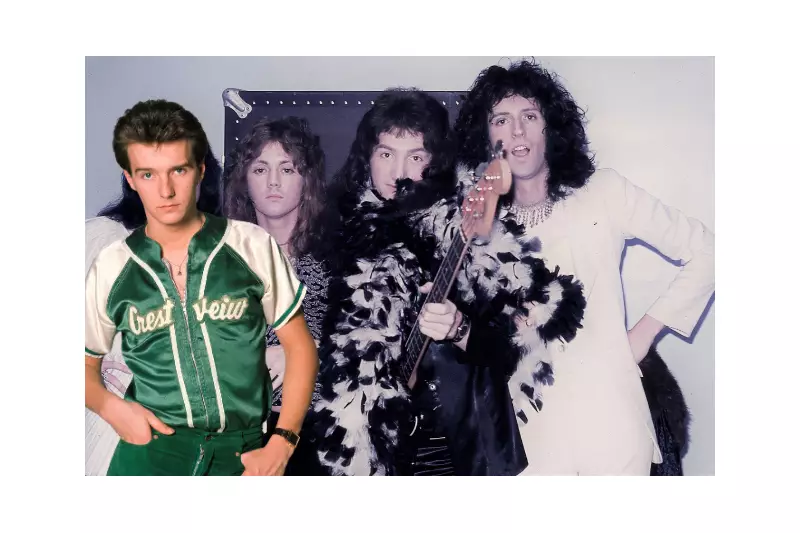
Midge Ure and Queen - Before Freddie Mercury became Queen's iconic frontman, the band seriously considered Midge Ure as their vocalist in the early 1970s. Ure confirmed in multiple interviews that Brian May and Roger Taylor approached him before Queen had solidified their sound. Had Ure accepted, Queen might have developed a softer, more electronic direction similar to Ultravox's synth-rock. Fortunately for music fans, Ure declined because he couldn't imagine singing someone else's material, leaving the path clear for Mercury's operatic rock vision.
Morrissey and The Clash - The Smiths' frontman nearly became part of punk history back in 1976. In his 2013 autobiography, Morrissey revealed he responded to a 'singer wanted' advert placed by Mick Jones and actually discussed joining what would become The Clash. The opportunity ultimately went to Joe Strummer instead. The combination of The Clash's raw energy with Morrissey's literate, darkly humorous lyrics would have created a fascinating musical hybrid, potentially accelerating the post-punk movement.
Courtney Love and Faith No More - For six months in 1984, Courtney Love (then using her birth name Courtney Henley) actually served as Faith No More's frontwoman while dating keyboardist Roddy Bottum. Band members described her as an "awesome" performer but "too aggressive," with bassist Billy Gould recalling she wanted to be a dictator. After being fired, Love admitted it was "one of the best things that ever happened to me," fuelling her ambition to form Hole and create the groundbreaking album 'Live Through This.'
Mick Hucknall and Genesis - When Phil Collins left Genesis in 1996, the band faced their second major frontman search since Peter Gabriel's departure. Simply Red's Mick Hucknall emerged as a serious contender, favoured by band members Tony Banks and Mike Rutherford for his commercial appeal and distinctive soul voice. Ultimately, Genesis chose Ray Wilson instead, while Hucknall continued his success with Simply Red. Hucknall's soulful voice would have pushed Genesis toward R&B and soul-pop, potentially alienating their progressive rock fanbase.
Les Claypool and Metallica - Following Cliff Burton's tragic death in 1986, Metallica auditioned several bassists including Les Claypool. The future Primus frontman arrived with a bleach-blond mohawk, skater pants and mismatched shoes, joking about playing Isley Brothers tunes - humour that didn't land well with the grieving band. James Hetfield later claimed they rejected Claypool because he was 'too good' and should 'do his own thing,' though Claypool believes they simply thought he was 'a freak.' He subsequently formed Primus and became a funk metal pioneer.
Lianne Morgan and Spice Girls - Before becoming the Spice Girls, the group began as Touch with an original lineup including Lianne Morgan alongside Victoria Adams, Melanie Brown, Geri Halliwell and Michelle Stephenson. After months of rehearsals in their Maidenhead shared house, Morgan was cut for supposedly 'looking significantly older' than other members, despite being the same age as Halliwell. Her departure led to Melanie Chisholm joining, followed by Emma Bunton replacing Stephenson. Morgan described the experience as 'like winning a lottery ticket and then having it taken away,' though she now embraces her connection to Spice Girls history.
How Different Would Music History Be?
These near-misses demonstrate how fragile musical history can be. The absence of Freddie Mercury's flamboyant frontmanship in Queen, Morrissey's distinctive vocals in The Smiths, or Courtney Love's raw energy in Hole would have created entirely different musical landscapes. While we can only speculate about these alternative realities, they serve as compelling reminders that some of music's most iconic moments nearly never happened at all.