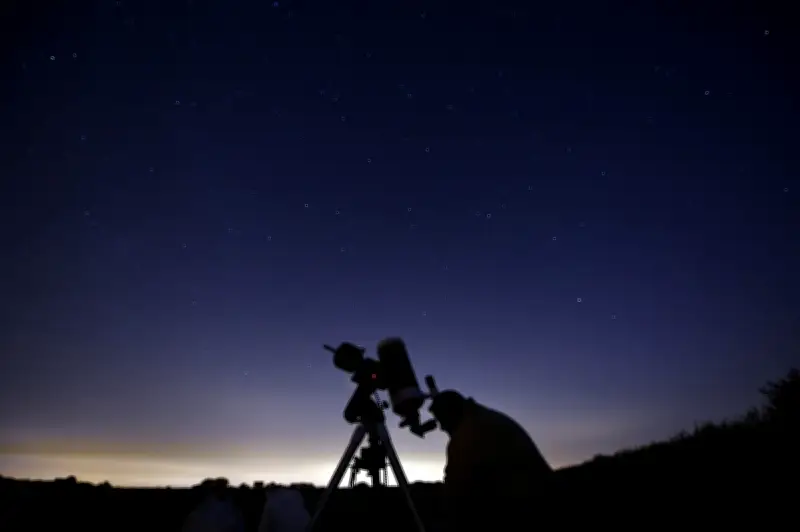
The Perseid meteor shower, one of the most anticipated celestial events of the year, reaches its peak on the nights of August 12 and 13. During this period, stargazers in the UK could witness up to 100 meteors per hour, according to BirminghamWorld.
Peak Viewing Times and What to Expect
The shower is active from mid-July to late August, but the best viewing window is the peak nights. The meteors, which are debris from the Swift-Tuttle comet, enter Earth's atmosphere at speeds of around 59 kilometers per second, creating bright streaks of light.
For optimal viewing, experts recommend finding a dark location away from city lights, and allowing your eyes to adjust to the darkness for about 20 minutes. No special equipment is needed; the naked eye is best for spotting the fast-moving meteors.
Where to Look and Weather Conditions
The radiant point of the Perseids is in the constellation Perseus, which rises in the northeast after midnight. However, meteors can appear anywhere in the sky, so it's best to look broadly upward.
Weather forecasts for the UK suggest mostly clear skies on the peak nights, though some cloud cover may affect visibility in certain regions. The moon will be in a waxing crescent phase, providing minimal interference, which should enhance viewing conditions.
Tips for Photographing the Meteor Shower
For those interested in capturing the event, a camera with a wide-angle lens, a tripod, and a remote shutter release are recommended. Set a long exposure of 15-30 seconds with a high ISO to increase the chances of capturing a meteor streak.
BirminghamWorld advises that patience is key, as meteors can appear in bursts. It's also worth checking local astronomy groups for organized viewing events in the Birmingham area.
This year's Perseid shower is expected to be particularly active, making it a prime opportunity for both seasoned astronomers and casual observers to enjoy one of nature's most spectacular light shows.