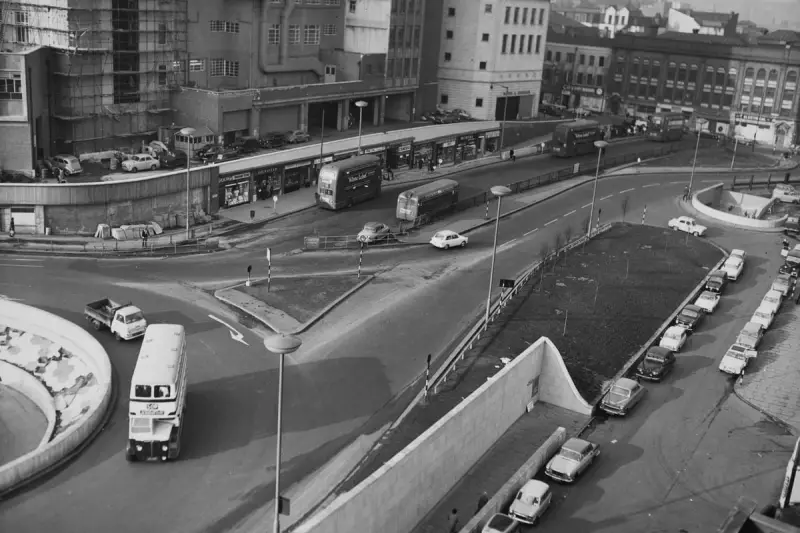
A captivating collection of historical photographs has been unearthed, offering a poignant glimpse into everyday life across Birmingham's diverse neighbourhoods throughout the 20th century.
A Journey Through Birmingham's Social History
The images, sourced from extensive photographic archives, serve as a powerful visual record of the city's residents and their environments across different eras. They capture the essence of community life, work, and leisure in areas such as Harborne and the Jewellery Quarter.
One particularly striking photograph dates back to 31st October 1933. It shows a dedicated worker at the renowned Chad Valley Company in Harborne. The caption poignantly notes that this individual laboured for 12 hours a day to ensure Christmas orders were fulfilled, highlighting the industrial hustle of the pre-war period.
Iconic Landmarks and Changing Times
Another significant image transports viewers to St Paul's Square in the Jewellery Quarter in 1941. This photograph, preserved by Heritage Images, provides a snapshot of the city during the Second World War, a testament to the enduring character of its streets even in tumultuous times.
The collection also includes a view of the famous Edgbaston Cricket Ground as it appeared in 1950, reminding us of the city's long-standing sporting heritage. Each photograph acts as a window, allowing modern audiences to connect with the past and observe the evolution of Birmingham's urban landscape and the people who shaped it.
Preserving the City's Visual Legacy
These curated photos do more than just document buildings and streets; they tell the human stories of Birmingham. From the industrious worker in the 1930s to the timeless architecture of its squares, the collection underscores the city's resilience and community spirit.
By looking back at these moments frozen in time, we gain a deeper appreciation for Birmingham's rich social fabric. The archives continue to be an invaluable resource for historians and residents alike, ensuring that the legacy of the city's neighbourhoods is preserved for future generations to explore and understand.