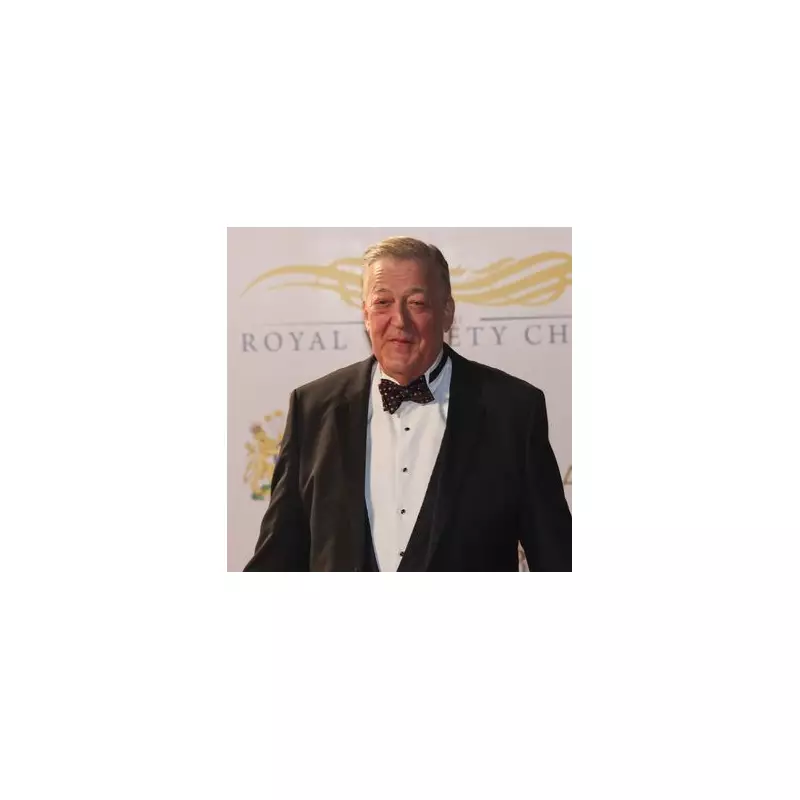
Audiences watching the prestigious Royal Variety Performance were left scratching their heads after a unique turn from national treasure Stephen Fry.
A Theatrical Surprise on a Grand Stage
The event, held at London's Royal Albert Hall on November 19, 2025, saw the celebrated actor, broadcaster, and star of The Traitors take to the stage in an unexpected guise. Fry appeared dressed as Lady Augusta Bracknell, wearing a green dress and a wide-brimmed hat, to deliver a monologue on modern manners.
However, the cultural reference proved too obscure for a segment of the television audience. The performance was a direct homage to the formidable leading female character from Oscar Wilde's classic comedy play, The Importance of Being Earnest. This connection was lost on many watching at home, leading to a wave of bewilderment on social media platform X.
Social Media Reacts with Confusion
Viewers quickly took to the platform to express their puzzlement. Posts asked, "Can someone please explain why Stephen fry was in a dress?" while another simply stated, "Did not get that segment by Stephen Fry."
Fry's act involved him delivering a sharply written list of societal grievances, presented as observations from Lady Bracknell. He opened by stating he had been invited to speak on an "urgent problem" facing everyone, which he identified as the decline of manners.
Fry's Monologue on Modern Misbehaviour
"In the 35 years that I've been alive...I have witnessed a distressing degradation in public decorum," he declared, in character. He offered a backhanded compliment to the audience's attire before launching into a series of complaints.
His list of modern bad manners included:
- Playing music from mobile phones on public transport.
- Failing to put the toilet seat down.
- Eating or drinking while walking in the street.
The segment, while clever and faithful to Wilde's style of social satire, ultimately sailed over the heads of those unfamiliar with the late Victorian play. It served as a reminder of the sometimes niche nature of theatrical in-jokes, even on a major national broadcast like the Royal Variety Performance.