
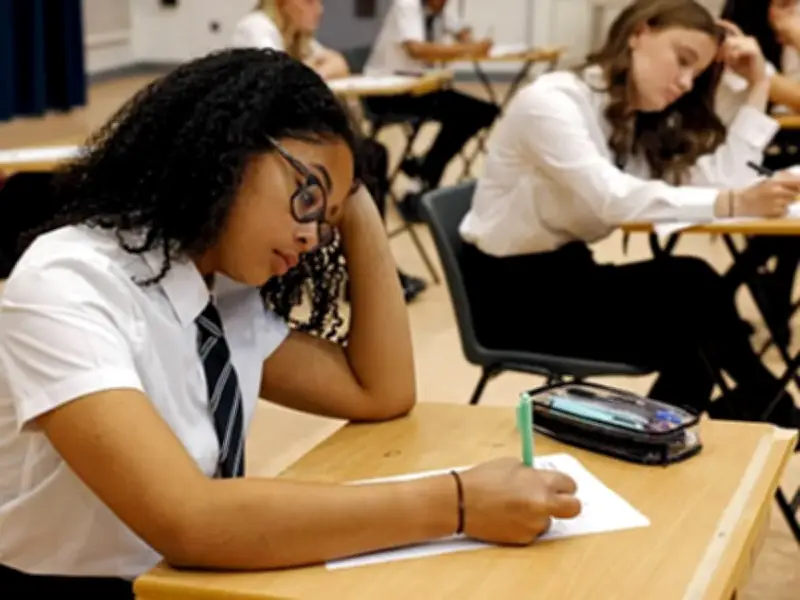
From September 1, state schools across England will be given personalised attendance targets from the start of the academic year, under a new rule confirmed by the Department for Education. The move, announced under Labour Party government Prime Minister Andy Burnham, aims to address slowing progress in pupil attendance.
Personalised targets and monitoring
Education minister Paul Waugh said the new attendance targets would take each school's local challenges into account, but that "every school has a role to play to improve attendance". Schools will be contacted if attendance rates are off-track as part of a new monitoring rule by the Department of Education.
Law firm Browne Jacobsen explains: "The new Attendance Baseline Improvement Expectations (ABIEs) set minimum improvement expectations year by year, calibrated using AI against an individual school's previous attendance and benchmarked against similar schools. They are contextualised, achievable, and they are a floor, not a ceiling. There are no immediate penalties for missing your target. Schools that fall short will hear from the DfE and be pointed towards best practice guidance or a local Attendance and Behaviour Hub."
Escalation for consistent underperformance
Browne Jacobsen adds: "A phone call and a nudge is not quite the stuff of sleepless nights, but do not mistake a light touch at the outset for low-stakes consideration. Consistent underperformance will be escalated, and the Ofsted picture means scrutiny is rising regardless."
There will be no change to the protocol for attendance when your child is poorly and has to miss school, and the absence will be legally authorised. Parents must still contact the school on the first day of the absence to explain that your child is unwell and continue to notify them daily. Pupils will not be punished if a school’s attendance targets are missed, but the DfE will directly contact the school to make sure they are taking adequate action.
Focus on Friday absences
Waugh noted that Fridays are "becoming a particular weak spot for attendance", and said he would be investigating why pupil illness absences are regularly significantly higher at the end of each week. He called on schools to put on interesting clubs and enrichment sessions on Fridays "so every child stays engaged right through to the end of the week".
Waugh said the latest attendance stats showed "progress has slowed over the past year", and that the government's response needed to be "broader, smarter and more ambitious". The new targets are part of that response, with the DfE set to contact schools that fall short, offering guidance and support to improve attendance rates.