
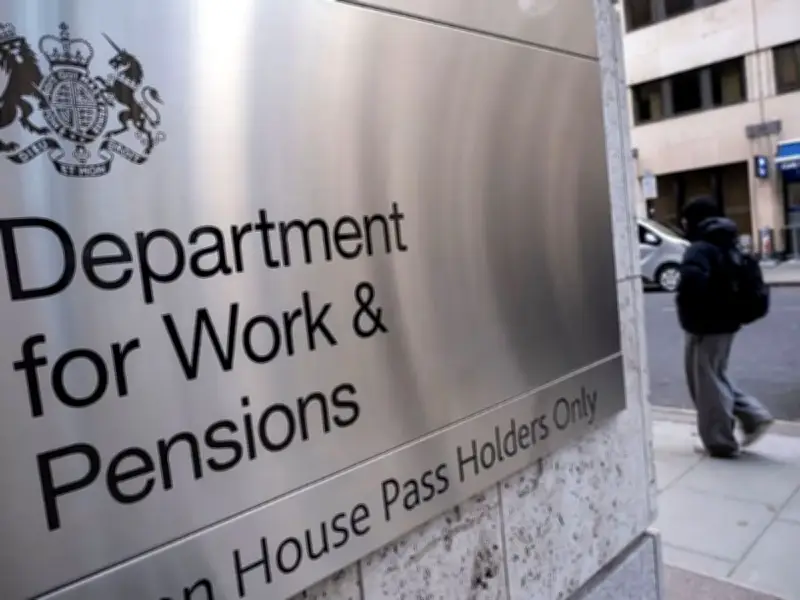
The state pension age could rise to 68 earlier than expected, as the Department for Work and Pensions (DWP) considers an accelerated timetable. Under current legislation, the state pension age is due to increase from 67 to 68 between 2044 and 2046. However, ministers are reportedly mulling over bringing that change forward to between 2037 and 2039.
This would affect people born after April 6, 1977, who could face an additional year of waiting before becoming eligible to claim their state pension. The potential shift comes amid growing concerns about the financial sustainability of the pension system, with the Office for Budget Responsibility (OBR) projecting significant changes in labour market participation among older age groups.
OBR projections highlight demographic pressures
According to the latest OBR fiscal risks and sustainability report, long-term projections from its baseline scenario suggest a 15% increase in labour market participation among 65-69-year-olds by the mid-2040s. The OBR also projects participation among those aged 70 or older to rise from 7% to nearly 10% across the same period, primarily driven by healthier life expectancies.
These figures underline the demographic challenges facing the UK, as the number of pensioners grows relative to the working-age population. The OBR's analysis feeds into the wider debate about how to fund the state pension in the coming decades, with the government exploring various options to manage costs.
Industry and union reactions
Quilter retirement specialist Adam Cole described the potential acceleration as “unwelcome news” but a “stark reminder of a reality that policymakers have been grappling with for years”. He said: “The state pension remains the bedrock of retirement income for millions of people, but there is a growing mismatch between the number of people drawing it and the number of working-age taxpayers funding it. Indeed, if governments wish to maintain the generosity of the state pension, raising the state pension age becomes one of the few levers available to control costs.”
Unite general secretary Sharon Graham was more critical, stating: “The UK is facing a pension and retirement time bomb. Tens of thousands of workers will be forced out of employment due to the physical and mental demands of their work but will be too young to receive the state pension. The government needs to urgently rethink its entire strategy of expecting workers to work even longer. A failure to do so will consign workers to the misery of being too old to work but too young for a pension. Plans to accelerate the introduction of the state pension age to 68 are clearly unworkable.”
Impact on affected cohorts
If the accelerated timetable is adopted, those born after April 6, 1977, would see their state pension age rise to 68 earlier than previously planned. This could have significant implications for retirement planning, as individuals may need to adjust their savings and work expectations. The change would also affect the labour market, potentially keeping older workers in employment for longer, as reflected in the OBR's participation projections.
The DWP has not yet confirmed any decision, and the reported proposals remain under consideration. The final outcome will depend on ongoing policy reviews and consultations, with any changes likely to be announced in due course. For now, the prospect of an earlier rise to 68 serves as a reminder of the financial pressures on the UK's pension system and the difficult choices facing policymakers.