
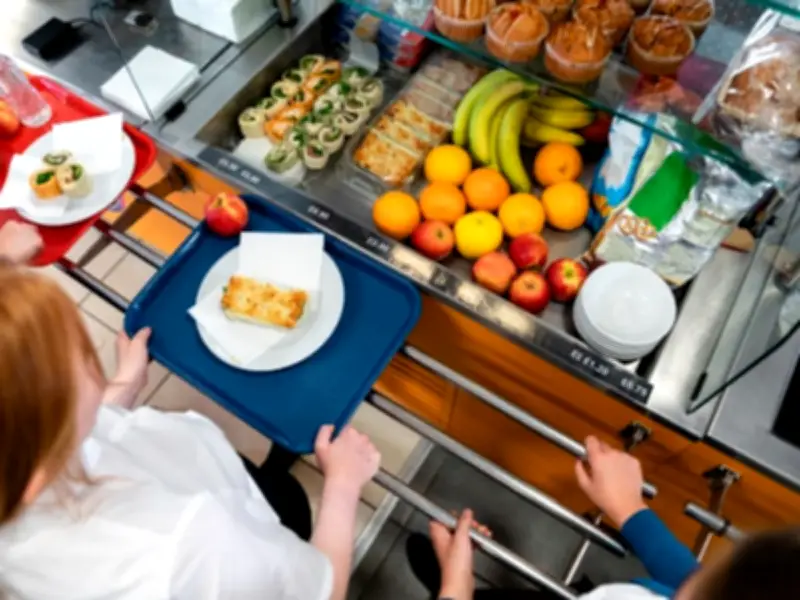
From September, over half a million additional pupils will become eligible for free school meals under a significant expansion of the programme, the Department for Education has confirmed. The change, previously announced by Sir Keir Starmer's government, will see the eligibility criteria widened to include all households receiving Universal Credit, regardless of income, removing the current £7,400 cap.
New Eligibility Criteria and Political Context
Labour Prime Minister Andy Burnham appointed Lucy Powell as Education Secretary last month, replacing Bridget Phillipson. The appointment comes just weeks before the school meals change takes effect, signalling the government's commitment to tackling child food insecurity. Under the new rules, families on Universal Credit will no longer be subject to the income threshold, a move that the Department for Education says will extend support to a significantly larger number of children.
The expansion builds on existing provisions that already cover 2.1 million disadvantaged children, 90,000 low-income students in Further Education, and around 1.3 million infants under the Universal Infant Free School Meals programme. This means the total number of children benefiting from free school meals will rise to over 4 million once the change is implemented.
Government's Stance on Nutrition and Standards
A Department for Education spokesperson said: "Beyond the financial benefits, this programme ensures children receive nutritious meals during school hours, which supports their learning and concentration in the classroom, physical health and development and overall wellbeing. The government is also acting quickly to revise the School Food Standards, so every school is supported with the latest nutrition guidance."
The department also highlighted the educational impact, stating: "Research shows that giving children access to a nutritious meal during the school day leads to higher attainment and improved behaviour." To facilitate the rollout, the government is updating the Eligibility Checking System, making it quicker and easier for families to get their children signed up for free school meals.
Education Secretary's Reaction
Following her appointment, Lucy Powell MP expressed her enthusiasm for the role. She said: "Absolutely thrilled to be appointed education secretary. For me there's no more important job for any government than making sure young people have the best education, the best opportunities and the best future they can. Lots to do and I look forward to getting started."
The expansion is expected to provide significant financial relief to families, with the average saving estimated at hundreds of pounds per child per year. It also aims to reduce the stigma associated with free school meals by broadening eligibility, ensuring more children can access healthy meals during the school day.
Implementation and Future Steps
Schools across England are preparing for the change, with local authorities and catering providers adjusting to the increased demand. The Department for Education has assured that the updated Eligibility Checking System will streamline the application process, reducing administrative burdens on both families and schools.
The move has been welcomed by child poverty charities, which have long campaigned for the removal of the benefit cap. However, some critics have raised concerns about the potential cost to the public purse and the need for adequate funding to support schools in delivering the expanded programme. The government has not yet specified the total budget for the initiative, but it is expected to be a significant investment in the welfare of children.