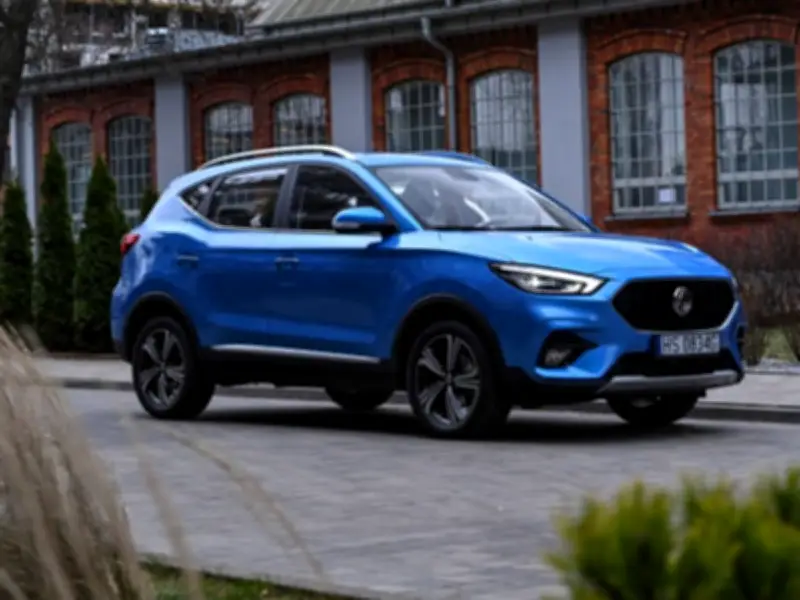
A major blind spot over the dangers of sports utility vehicles has been exposed, with new research showing that three out of five drivers fail to understand the increased risks SUVs pose on UK roads. The study, conducted by Swansea University, found that 66 per cent of British driving licence holders do not know that SUVs are more dangerous to pedestrians and cyclists than smaller cars. Even after being informed of these heightened risks, only 3.6 per cent of those intending to buy or lease an SUV said they would change their mind.
Lead author Jimin Choi, a PhD student at Swansea University, described the findings as a "significant blind spot" in road safety discussions. "British drivers, and SUV drivers in particular, showed a lack of awareness about the well-documented hazards SUVs pose to pedestrians and cyclists," he said. The study underscores the challenge policymakers face in addressing the growing popularity of larger, heavier vehicles.
Why SUVs Are More Dangerous
SUVs are typically heavier and have higher front ends than conventional cars, increasing the risk of severe injury or death in collisions with pedestrians and cyclists. Research from the US and Europe has consistently shown that pedestrians struck by SUVs are 2-3 times more likely to die than those hit by smaller cars. The weight and design of SUVs also contribute to greater stopping distances and reduced visibility for drivers, particularly when reversing.

Professor Ian Walker, an environmental psychologist at Swansea University, stressed that societal norms have made it difficult to change driver behaviour. "Buying whatever vehicle we like, and driving it wherever and whenever we please without having to think about the consequences for other people, has become normalised and ingrained across our society over decades," he said. He added that stronger interventions are necessary if governments want to address the issue seriously.
Call for Weight-Based Parking Charges and Higher Taxes
Campaigners are urging the UK government to introduce measures that would discourage the purchase and use of heavy SUVs. These include weight-based parking charges, higher taxes on larger vehicles, and restrictions on advertising. The proposals aim to reverse the trend towards ever-bigger, ever-heavier cars on British roads.
James Ward, Co-Director at Adfree Cities, criticised the marketing tactics used by car manufacturers. "SUV marketing and advertising feed a public delusion that these are safe, family cars," he said. Ward argued that advertising creates a misleading image of safety while downplaying the risks to other road users. The group has previously called for bans on SUV adverts in public spaces, similar to restrictions on tobacco and gambling.
Policy Implications and Public Health
The findings come amid growing concern over road safety and air quality. In 2024, UK road fatalities rose by 5 per cent, with pedestrians and cyclists accounting for a disproportionate share. Environmental groups also point out that SUVs emit more CO2 than smaller cars, contributing to climate change. Weight-based charges could also encourage manufacturers to produce lighter, more efficient vehicles.
Professor Walker noted that voluntary behaviour change has limited effect. "As such, it's not surprising there's a growing body of evidence that says asking or encouraging people to drive differently doesn't work, and that stronger interventions will be needed if Governments want to get serious about the issue," he said. The study adds to calls for policy action, including revising UK car taxation based on weight and implementing parking surcharges for heavier vehicles.
The research, published in the journal Transportation Research Part F, surveyed over 2,000 UK driving licence holders. It highlights a disconnect between public perception and evidence-based risks. Choi concluded that safety concerns play only a "negligible role" in car purchase decisions, suggesting that financial incentives or disincentives may be more effective.