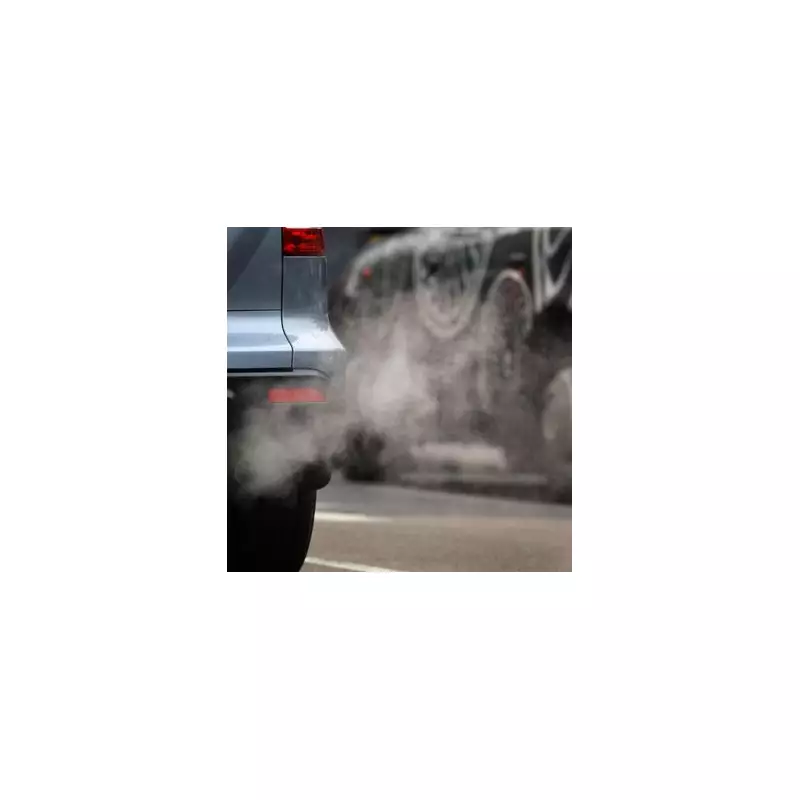
Solihull Council is intensifying its efforts to combat the persistent issue of parents leaving car engines running outside local schools, with new measures including formal warnings and expanded educational campaigns. Councillors have agreed to a strategy focused on communication and data collection before considering stricter enforcement options.
Addressing a Longstanding Nuisance
Throughout 2025, the problem of car idling at school gates was extensively debated by Solihull councillors. This followed a community petition demanding action and a formal motion presented to the council. The discussions highlighted growing concerns about air pollution and its impact on children's health in the borough.
Rejecting Immediate Fines
One proposed solution involving dedicated officers issuing fines through a Public Space Protection Order was rejected by councillors last year. Paul Tovey, the authority's head of highway services, explained the reasoning behind this decision during the latest environment and infrastructure decision session.

"We know car pollutants cause health problems," Tovey stated. "The difficulty is identifying the amount of harm these vehicles are causing. Are they repeat offenders or one-offs? I think at this stage we haven't got enough evidence to recommend going down the route of enforcement would make a significant difference."
New Approach Approved
The council has now approved a two-pronged approach to tackle the issue:
- Expanding the successful 'young lungs at work' education campaign in schools
- Authorising civil enforcement parking wardens to issue formal warning notices to idling motorists
Tovey emphasised the importance of data collection: "What we want to do is turn on the ability for our civil enforcement parking wardens – who are outside schools everyday – to actually see how many they are speaking to, how many are refusing to turn their engine off. And if they do, we issue a formal warning notice – getting some better quality data."
Councillor Perspectives
Councillor Kathryn Thomas supported the educational approach, noting: "A lot of people don't perceive it as a problem because if you can't see it, you don't realise the harm that it is doing. I think the approach is the right one given the need to warn people beforehand. There are people out there who won't think twice about a £20 fine is the reality."
Portfolio holder Councillor Ken Hawkins echoed this sentiment: "We need to enforce this in a communication and education way. We know some people, certainly when it's cold, keep the engine running. Do you need to park up half an hour before collection time?"
Monitoring and Future Steps
The council has agreed to monitor the situation for the next twelve months to assess whether motorist behaviour improves. During this period, the authority will collect data on:
- The number of warnings issued
- Compliance rates after warnings
- Patterns of repeat offending
If significant improvement isn't observed, the council will explore funding options for a formal enforcement service. This decision represents a measured approach that prioritises education and awareness while keeping stronger penalties as a future possibility.
The virtual meeting where these measures were approved took place on Tuesday, January 20, marking a significant step in Solihull's ongoing efforts to improve air quality around educational establishments.