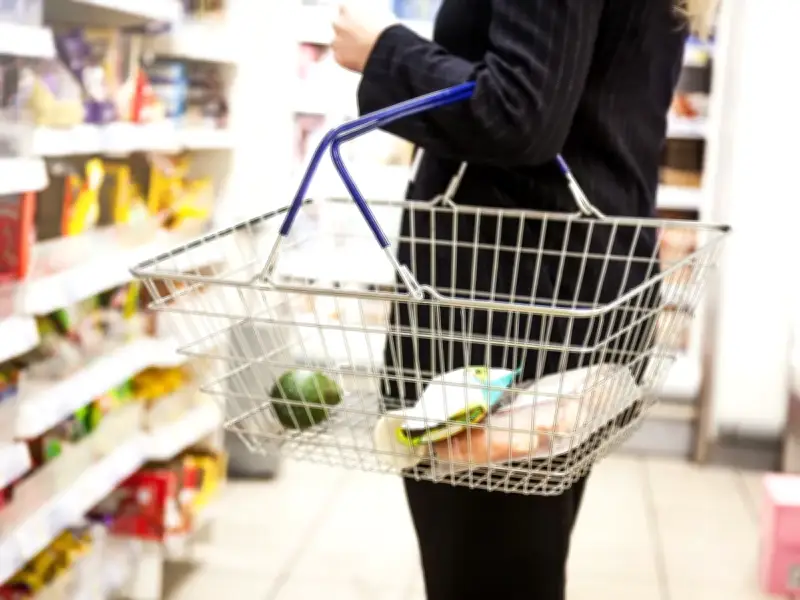
Food prices in the UK have surged by 30% in just four years, according to new data from the Office for National Statistics (ONS). The figures reveal a sharp increase between April 2022 and July 2026, as households across Birmingham and the rest of the country continue to grapple with the cost-of-living crisis.
Food Inflation and Drought Impact
The Food Foundation reported on August 19 that food and non-alcoholic beverage inflation fell from 1.7% in the year to June 2026 to 1.3%, while overall inflation stands at 3.1%. Despite this slight easing, the cumulative rise in food costs over the past four years remains stark.
In recent months, large parts of England and Wales have experienced drought conditions, with a lack of rainfall, high temperatures, and wildfires affecting agricultural yields. Tom Lancaster, a land, food and farming analyst at the Energy and Climate Intelligence Unit, told the BBC: "Farming is now the sector most exposed to climate change and the risks and damage that it brings."

Shopping Basket Prices for Men and Women
Comparing shopping basket prices over the four-year period, the ONS data shows significant increases for both men and women. For a woman, the non-Clubcard price of a shopping basket was £40.30 in April 2022, rising to £52.78 in August 2026. For a man, the non-Clubcard basket cost £43.36 in April 2022, climbing to £59.68 in August 2026.
With a Clubcard, the average price for a woman's shopping basket was £37.28 in May 2022, increasing to £49.59 in August 2026. For men, the Clubcard price stood at £42.82 in 2022, compared with £55.71 in August 2026.
Recommendations to Address Food Insecurity
The Food Foundation has issued three recommendations to tackle food insecurity. The organisation urges policymakers to bolster food security and set statutory horticulture targets through the Good Food Bill. It also suggests increasing demand for and affordable access to fruit and vegetables, as well as investing in production and farm resilience to mitigate future price shocks.