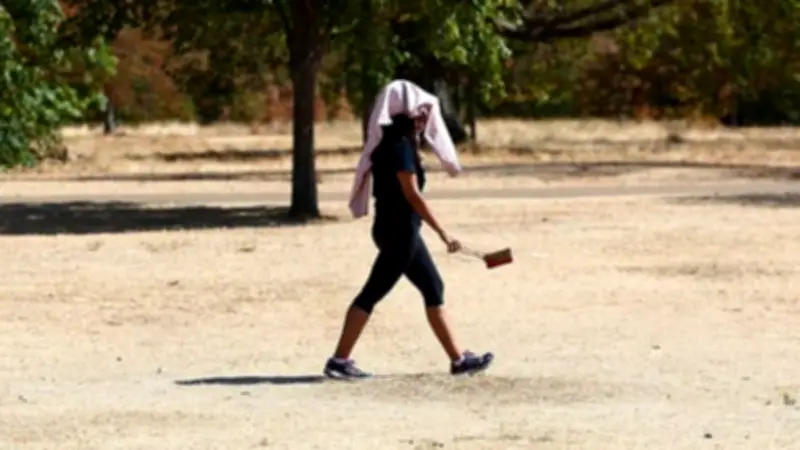
The Met Office has issued a stark warning that temperatures could soar to 36C in parts of the UK this week, potentially disrupting power lines and railway tracks. The extreme heat, part of a continuing 'flash drought', raises the possibility of rare amber or red weather alerts in the coming days.
Fifth heatwave of an exceptional summer
Communities across the nation are bracing for a fifth summer heatwave, following months of unusually warm and dry conditions. While Monday felt slightly cooler, temperatures are set to climb again from Tuesday, with the hottest days expected midweek.
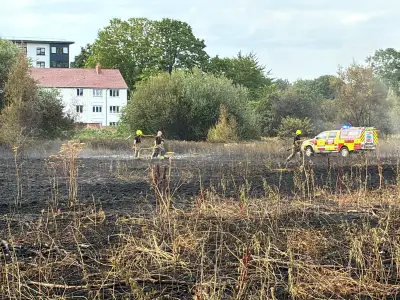
The summer has already delivered two unprecedented heat spells in May and June, which contributed to more than 2,800 excess deaths. July brought further heat, and with the lowest rainfall in England and Wales since 1836, the land has become parched, increasing the risk of wildfires.

Forecast details from the Met Office
Met Office meteorologist Tom Morgan outlined the expected peak: "We'll probably see highs reaching the mid-30s quite widely on Wednesday, and indeed on Thursday too for England and Wales. On Wednesday, probably the Midlands, maybe a little bit further south, the M4 corridor, west of London, up towards the Midlands, is where we might have a small chance of reaching 36C in one or two spots."
He added: "But Thursday, at this stage, looks the most likely to be the hottest day of the week. So 36C is a fairly reasonable probability locally on Thursday, and there's a small chance it could get even higher than that."
Drought status and infrastructure concerns
Drought status has already been applied to all of Wales and half of England. The National Drought Group met on Monday to review other areas. Morgan highlighted the unusual nature of these temperatures: "If it wasn't for this incredible summer that we're currently seeing, then we'd be talking about these temperatures as being really, very unusual. But of course, we've had such an exceptional summer, people have become a bit used to it. There is a potential for impacts, so impacts to infrastructure, things like railway lines and power networks, impacts to vulnerable people as well."
The extreme heat has affected much of Europe this summer, and this week will be no exception. The Met Office's social media channels have been sharing updates, noting that another spell of extremely hot weather is set to spread north across the UK.
Health risks and precautions
Medical experts warn that the hot weather poses significant risks to vulnerable individuals, potentially straining health services and increasing fatalities. Polly Ashmore, from the UK Health Security Agency, advised: "Periods of hot weather can result in serious health outcomes, especially for older adults, and it is therefore important that everyone takes sensible precautions while enjoying the sun. Simple steps such as staying hydrated, avoiding the sun during the hottest part of the day, and keeping your home cool are some of the key ways to help keep yourself and others safe during periods of hot weather."
Environmental impact and water restrictions
According to data from the Environment Agency, half of England is experiencing a flash drought. Temporary hosepipe bans now apply to more than 25 million consumers. Rivers are running low, farmers are harvesting crops early, wildfire risk is increasing, and millions are living under water-use restrictions.
The seven areas in drought are: East Anglia, Hertfordshire and the whole of London, Thames Valley, Hampshire and the Isle of Wight, Devon and Cornwall, the West Midlands, and Wessex (covering Dorset, Somerset, Wiltshire, and South Gloucestershire).
Response and record-breaking trends
The Environment Agency has stepped up its operational response, including enhanced monitoring and controlling water abstraction from rivers and groundwater. Data from the European Union's Earth Observation Team Copernicus indicates that western Europe averaged 21.61C across June and July, breaking the record set in 2022. Globally, this year is the third-warmest year on record, just behind 2024 and 2025.