The heatwave currently sweeping the UK looks set to continue as authorities have warned of extreme wildfire risks this weekend. The hot conditions seen in recent weeks have meant that 2026 has become the first year to record temperatures of 35C on six separate days.
Emergency services on high alert
Emergency services are now warning of 'extreme' wildfire risks this weekend. The London Fire Brigade (LFB) has urged people not to use disposable barbecues over fears that the dry heat could lead to fires. The Metropolitan Police said it is worried about excessive calls, with England set to play Norway in a World Cup quarter-final at 10pm on Saturday, July 11. The force has urged people to avoid contacting them for non-emergencies amid a surge in 999 calls during the hot weather.
Forecast: continued heat and potential thunderstorms
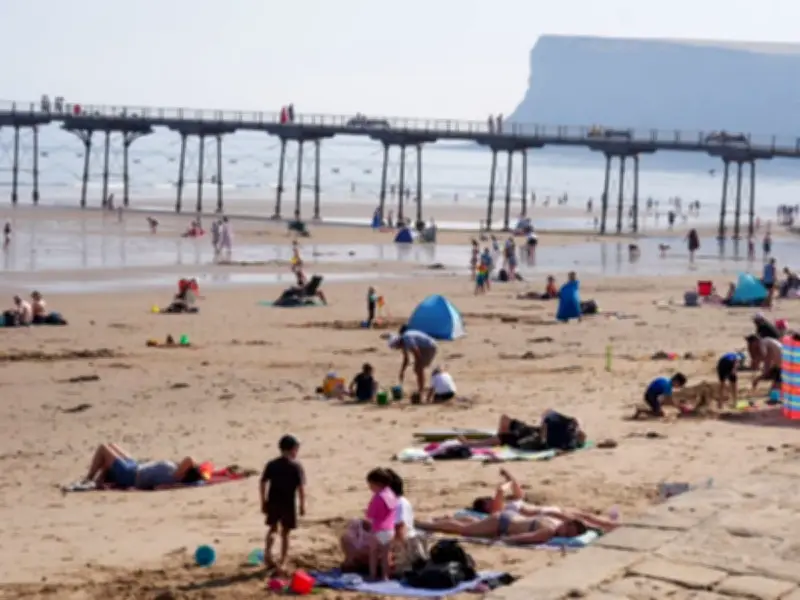
Forecasters have said that parts of England and Wales will continue to see temperatures above 30C throughout the weekend and into next week. Saturday (July 11) is expected to see highs of 32C to 34C in Wales and south-west England, according to the Met Office. Amber and yellow heat health alerts have been issued by the UK Health Security Agency and will remain in place across large parts of England until 9pm on Wednesday, July 15. The Met Office has warned of possible thunderstorms from Monday, July 13, in parts of the south, but overall another very dry week is expected.

Met Office deputy chief forecaster comment
Met Office deputy chief forecaster David Hayter said: "Areas of central and southern England and Wales are expected to see several more consecutive days of temperatures above 30C. While temperatures are expected to reach into the low to mid-30s through the weekend, the focus of the heat will gradually shift towards western parts of the UK. This will also bring some slightly cooler and cloudier conditions to eastern coastal areas than of recent days. It will also turn windier across southern areas, bringing breezier conditions, especially along coasts and headlands."
"The main exception to the largely dry and sunny conditions is northern Scotland, where a cold front is bringing rain, cloud and some heavy downpours on Friday. But conditions are expected to improve over the weekend. There is a possible increase in thunderstorms from Monday in parts of the south, however most areas will remain dry, sunny and very warm into the coming week."
Record temperatures and wildfires
The Met Office announced the new records after temperatures peaked at 35.2C at Coton in the Elms, Derbyshire, on Friday (July 10). Later in the evening, Derbyshire Fire and Rescue (DFR) confirmed it was fighting two wildfires in the area: a moorland fire near Arnfield Farm in Glossop, and a separate ongoing fire in Tintwistle Moor. Friday night also saw a 'trackside' blaze involving shrubbery at Stratford Station in London at around 7pm, causing rail line closures. The London Fire Brigade reported that the fire was under control at around 9.30pm and used the incident to reiterate the risk of wildfires during the heatwave this weekend. It said that the latest assessments show the risk in London will grow from 'elevated' to 'extreme' from Saturday to Monday, driven by prolonged dry weather, heat, and wind speed.
London Fire Brigade assistant commissioner Tom Goodall said: "We want everyone across the city to enjoy the continuing heatwave but this must be done responsibly."
Tragic incidents and water safety warnings
Derbyshire Constabulary said that the body of an 18-year-old man was recovered from the water near the weir at the Darley Abbey Mills complex after two teenagers got into difficulty. Greater Manchester Police also said a scene remained in place at Dovestone Reservoir, Oldham, after an 18-year-old man died on Friday. The Met Office warned people to be careful if planning to enjoy the water and to check the water temperature to avoid cold water shock.

Historical records and water shortages
The earlier record of 35C on separate days was held by 1976 and 2020, during which five days were recorded with temperatures over 35C. This year, 2026, has also become the first year to see temperatures of 35C or higher in three calendar months, and broke the record for most temperatures of 34C or higher, with nine so far this summer. Water firms have announced hosepipe bans for the east of England, Cambridge, Hampshire, the Isle of Wight, and areas of Kent. Strain on water supplies has intensified after successive heatwaves followed a record warm spring for England and Wales. The UK faces growing pressure on its water system as human-driven climate change disrupts rainfall patterns and drives more extreme weather events, compounded by population increases and years of under-investment in infrastructure, including no new reservoirs built in 30 years and leaking pipes.
Hosepipe restrictions came into force on Friday for about one million Southern Water customers across Hampshire and the Isle of Wight. On Friday, Anglian Water also announced a hosepipe ban for its more than five million customers in the east of England, coming into force from 1am on Saturday, July 11, but the utility has asked that people 'live within the spirit of these restrictions immediately'. In a notice on Thursday, July 9, Cambridge Water announced a temporary hosepipe ban for its 350,000 customers, effective immediately but enforcement actions will not start until 1am on July 17. It is the first time in three decades it has introduced the restriction, with teams working around the clock to maintain supplies. South East Water became the first to introduce a ban on July 3 for areas of Kent, including Ashford, Canterbury, Faversham, Maidstone, Sevenoaks, Snodland, Tenterden, and Tunbridge Wells.