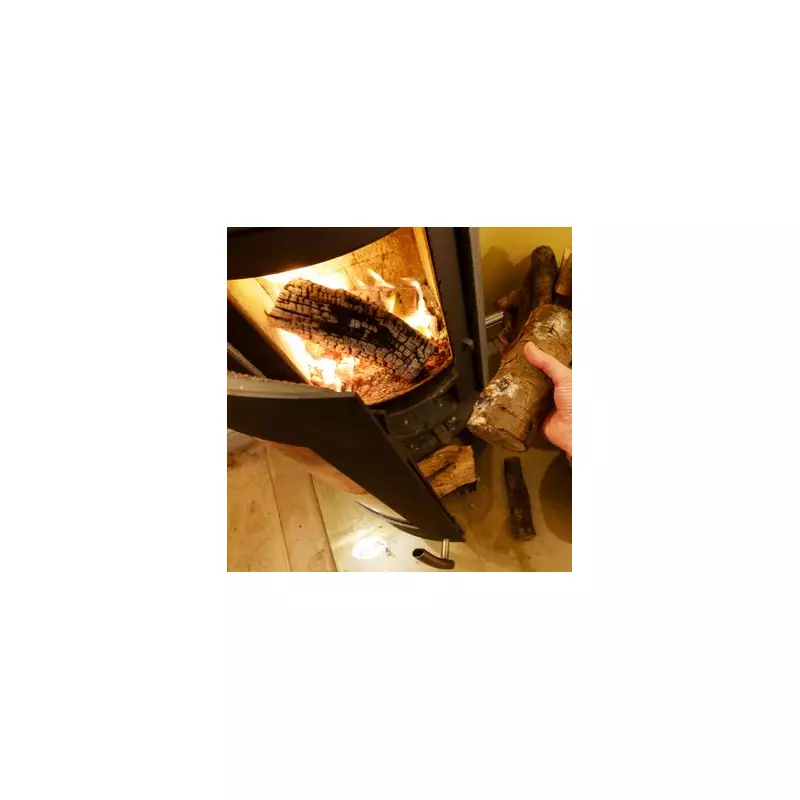
Homeowners across the UK are being urgently warned that using the wrong type of fuel in their log burners this winter could lead to substantial fines of up to £1,000. Fire and environmental experts have issued the alert, stressing that burning wet or treated wood breaches clean air laws and can cause serious damage to stoves and chimneys.
The Stiff Penalties for Non-Compliance
For those living in designated smoke control zones, the consequences of using non-compliant fuel are immediate and severe. Authorities can issue on-the-spot fines, which start at £1,000. The situation becomes far more serious for repeat offenders. Persistent breaches can see cases taken to court, where penalties have the potential to rise to a staggering £5,000.
The regulations underpinning these fines are not new. In 2021, the government introduced a ban on the sale of house coal and wet wood for domestic burning, a move designed to slash harmful particulate emissions. To comply with the law, any firewood used must now have a moisture content of less than 20 per cent.

How to Identify Safe and Legal Fuel
To help consumers make the right choice, the Department for Environment, Food and Rural Affairs (Defra) launched the "Ready to Burn" certification scheme. Logs bearing this specific logo are guaranteed to have low moisture content, ensuring they burn hotter, produce less smoke, and keep you within the law.
When selecting wood, certain types are recommended for their efficiency and cleaner burn:
- Hardwoods like oak, ash, birch, and beech are excellent choices, leaving minimal residue.
- Untreated softwoods, such as pine or cedar, can be used safely but are best reserved as kindling to start a fire.
What You Must Absolutely Avoid Burning
Burning wet or "green" wood is highly inefficient and problematic. It wastes energy, creates thick, polluting smoke, and leads to a build-up of tar that can block chimneys. This blockage significantly increases the risk of a dangerous chimney fire within the home.
Homeowners must also strictly avoid burning any treated or manufactured wood products. Painted wood, varnished wood, MDF, chipboard, and plywood release toxic, hazardous fumes when burned. Even driftwood is prohibited, as its high salt content can corrode the metal parts of your flue and stove, leading to expensive repairs.
By choosing certified "Ready to Burn" fuel and sticking to recommended wood types, you can enjoy your log burner safely, efficiently, and without fear of a hefty fine. It’s a simple step that protects your wallet, your home, and the air quality in your community.