Millions across the UK are cranking up their heating as a severe cold snap grips the nation, with temperatures plunging to a bitter -12°C in some areas. This comes as energy bills rose again at the start of January, making efficiency more crucial than ever.
The simple 97p fix for inefficient heating
Before you reach for the thermostat, experts highlight a simple and incredibly cheap solution that can make a significant difference. The humble radiator key, available for as little as 97p from retailers like Screwfix, is being touted as an essential tool for every household this winter.
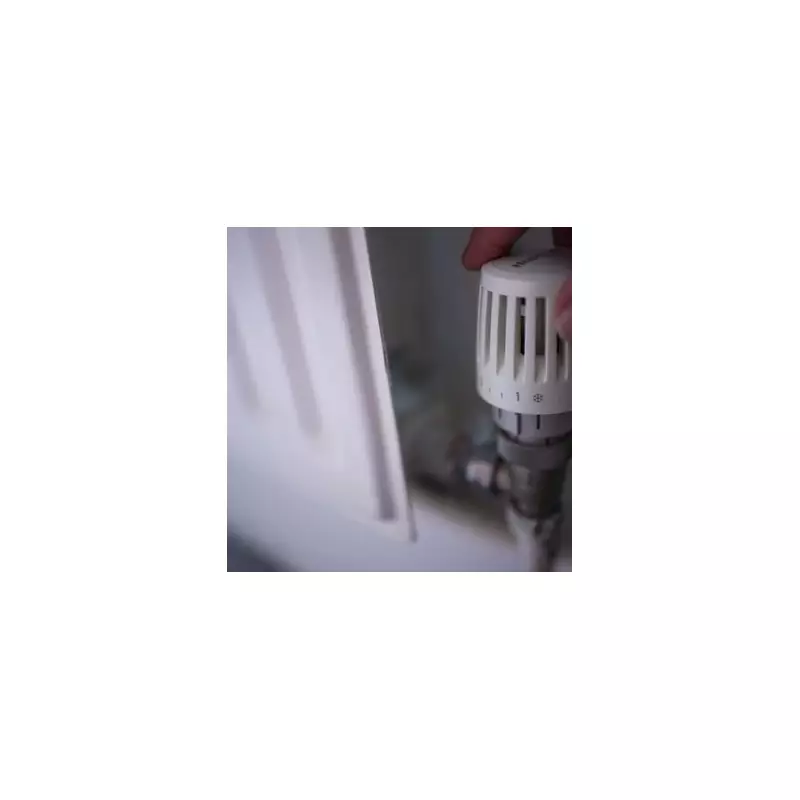
Peter Knowles, a technical repair engineer at British Gas, has issued vital guidance for anyone planning to bleed their radiators to eliminate cold spots and ensure heat is distributed evenly. His first crucial piece of advice is to always turn your heating system off and allow the radiators to cool completely before starting. This prevents the risk of being scalded by hot water during the process.

Step-by-step guide to bleeding your radiators
"While you wait, find a radiator key – or a flat-head screwdriver for more modern radiators – a cloth, an old towel and a container," Peter advises.
He then outlines the simple steps:
- Locate the small valve on the side of the radiator.
- Turn it anti-clockwise using the key or screwdriver. Use the cloth for extra grip if it's stiff.
- Open the valve only slightly until you hear a hissing sound, which indicates trapped air is escaping.
- Once the hissing stops and water begins to trickle out, use your container to catch it.
- Tighten the valve firmly again and move on to the next radiator in your home.
When to call in a professional
Peter Knowles notes that air can build up inside radiators for various reasons. However, if you have bled your radiators and are still experiencing problems with cold spots or overall heating performance, the issue may be more complex.
"At this stage, it is best to contact a Gas Safe registered engineer to take a look," he recommends. Seeking professional help ensures your central heating system is operating safely and at peak efficiency, potentially preventing more costly repairs down the line.
With the freeze set to continue, taking a few minutes to perform this simple maintenance task could lead to warmer rooms and lower bills, making that 97p investment one of the most cost-effective of the year.