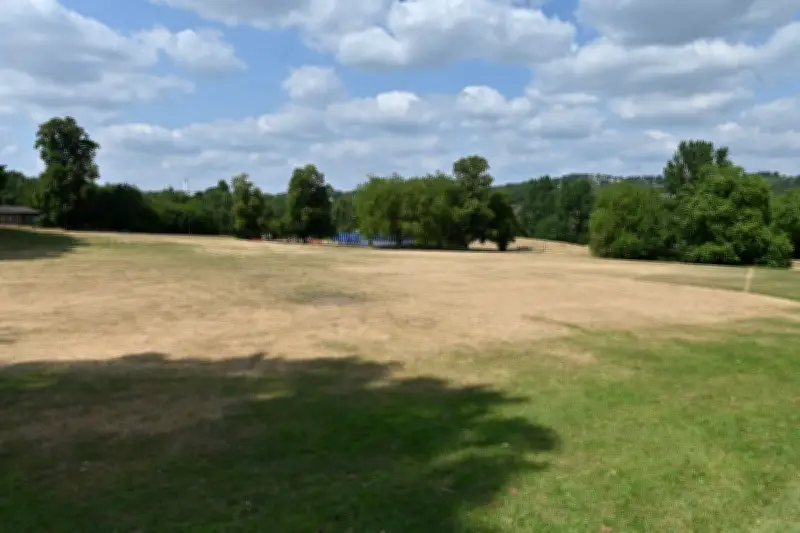
The West Midlands is moving closer to official drought status, with the Environment Agency warning that prolonged dry weather is straining water resources across the region. The agency has placed the area under 'prolonged dry weather' status, the step before a formal drought declaration, as river levels and reservoir stocks continue to decline.
Low Rainfall and High Demand
According to the Environment Agency, the West Midlands has experienced below-average rainfall for several months, with March 2024 being particularly dry. The region received only 60% of its long-term average rainfall for the month, leading to reduced river flows and lower groundwater levels. Water companies, including Severn Trent Water, have reported increased demand as households and businesses use more water for gardening and other outdoor activities.
Severn Trent Water has urged customers to use water wisely, with the company's water resources manager, Paul Hipwell, stating: 'We are closely monitoring the situation and are prepared to implement further measures if necessary. We ask everyone to do their bit by reducing non-essential water use.' The company has already imposed a hosepipe ban in some areas, though not yet across the entire region.

Impact on Agriculture and Wildlife
The dry conditions are also affecting farmers, who are struggling to irrigate crops and provide water for livestock. The National Farmers' Union (NFU) has reported that some farmers in the region are facing difficult decisions about planting and harvesting. NFU regional director, David Collier, said: 'The lack of rain is a serious concern for our members. We are working with the Environment Agency to ensure that farmers have access to the water they need, but we may need to see restrictions if the drought continues.'
Wildlife is also under pressure, with low river levels threatening fish populations and other aquatic species. The Environment Agency has warned that if dry conditions persist, it may need to take emergency measures to protect endangered species and maintain river habitats.
Water Restrictions and Future Outlook
If the West Midlands is officially declared to be in drought, water companies could impose more stringent restrictions, including bans on using hosepipes for washing cars and watering gardens. Businesses that rely heavily on water, such as car washes and garden centers, could also face limits.
The Met Office has forecast below-average rainfall for the next few weeks, with no significant relief expected. The Environment Agency will continue to monitor the situation and will meet with water companies and other stakeholders to discuss next steps. A formal drought declaration would allow the agency to coordinate a more robust response, including the possibility of drought orders to manage water supplies.
Public Urged to Conserve Water
In the meantime, residents are being urged to conserve water by taking shorter showers, fixing leaks, and using rainwater butts for gardening. Severn Trent Water has also offered free water-saving devices to customers, including shower timers and hose nozzles.
The situation is being closely watched by neighboring regions, as the West Midlands is not the only area experiencing dry conditions. Parts of the East Midlands and South West England are also under prolonged dry weather status, raising concerns about a broader drought across the UK.