
British gardeners are searching for answers about mysterious fungi appearing in their gardens at an unprecedented rate. Data from Google Trends reveals that searches for the term 'mushrooms in garden' have skyrocketed by 153% in the past month alone.
While many types of fungi are beneficial for soil health, several common varieties can pose significant threats. These risks range from poisoning pets and children to killing prized plants and even causing serious structural damage to garden buildings.
Six Common Garden Fungi: Identification and Risks
Robin Antill, founder of 1st Choice Leisure Buildings, has provided crucial guidance on identifying and dealing with six of the most problematic garden mushrooms. His advice focuses on safe, non-chemical removal methods to prevent lasting issues.
1. Death Cap (Amanita phalloides)
This is one of the world's most lethal mushrooms, responsible for approximately 90% of global mushroom-related fatalities. It often grows at the base of oak, beech, and birch trees through a symbiotic relationship.
The cap, which measures between 5cm and 15cm, starts dome-shaped and flattens with age. It displays an olive-yellow to green colour, with white gills and an off-white stem. Initially odourless, it later emits a sickly sweet smell.
Safe removal is critical: always wear gloves, cut or gently pull from the base, seal in plastic bags, and dispose of with general household waste—never in compost.
2. Honey Fungus (Armillaria)
Feared as a major plant disease in the UK, Honey Fungus spreads underground and kills woody plants like birch, azalea, and willow. It is mildly toxic to humans and can cause vomiting and diarrhoea in pets.
Identifiable by its honey-beige to golden-brown cap, usually darker in the centre, and a distinctive 'skirt' on the stem, it grows in dense clusters. There is no cure; infected plants and their roots must be completely removed and the soil disposed of or burned.
3. Turkey Tail (Trametes versicolor)
While not toxic to people or pets, this strikingly patterned fungus with bands of brown, orange, and green signals a serious problem: active wood rot. It commonly appears on old stumps, sheds, and pergolas.
Its presence means the timber is already decaying. Removal involves eliminating the rotten wood it feeds on. Improving drainage, airflow, and using wood preservatives are key to prevention.
4. Stinkhorn (Phallus impudicus)
Notorious for its foul odour resembling rotting flesh, this fungus grows in damp, organic-rich areas like compost heaps. It can reach 25cm tall and emerges from an egg-like base.
Though not harmful, its smell attracts flies which spread its spores. Remove by pulling from the base before the spore mass forms. Reducing garden moisture and decaying matter can limit its growth.
5. Dry Rot Fungus (Serpula lacrymans)
This is the most dangerous fungus for wooden structures like sheds and cabins. Unlike most fungi, it attacks dry timber and spreads rapidly, causing severe structural damage.
Look for fluffy white or cream-coloured growths and pale brown fruiting bodies with a musty smell. All affected wood must be cut out entirely. Improving ventilation and removing moisture sources are essential to stop recurrence.
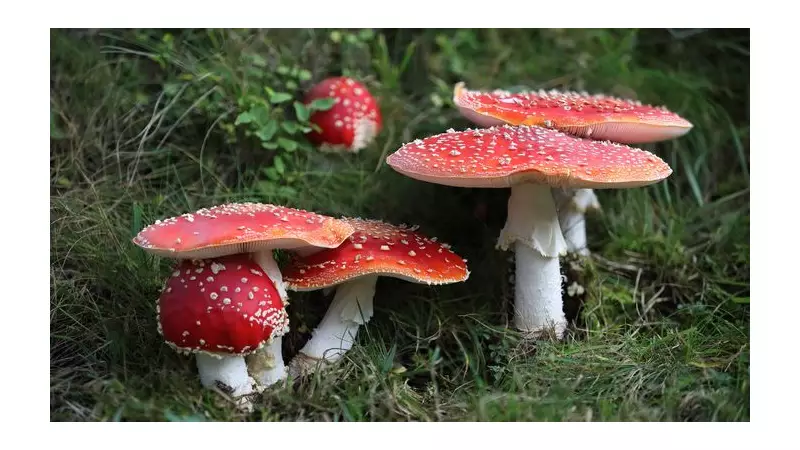
6. Fly Agaric (Amanita muscaria)
Instantly recognisable by its iconic red cap with white spots, this fairy-tale mushroom is highly toxic. It can cause nausea, vomiting, dizziness, hallucinations, and seizures, posing a particular danger to children and pets.
Caps can grow up to 20cm wide. For safety, wear gloves, pull out the entire mushroom, and dispose of it in sealed bags with your general rubbish.
Proactive Steps for Gardeners
The surge in fungal growth highlights the need for vigilance. Correct identification is the first and most crucial step. When in doubt, do not touch or consume any wild mushroom.
For non-toxic varieties affecting wood, address the source of dampness and decay. For poisonous fungi, meticulous removal and disposal are paramount to protect your family, pets, and garden's health.