
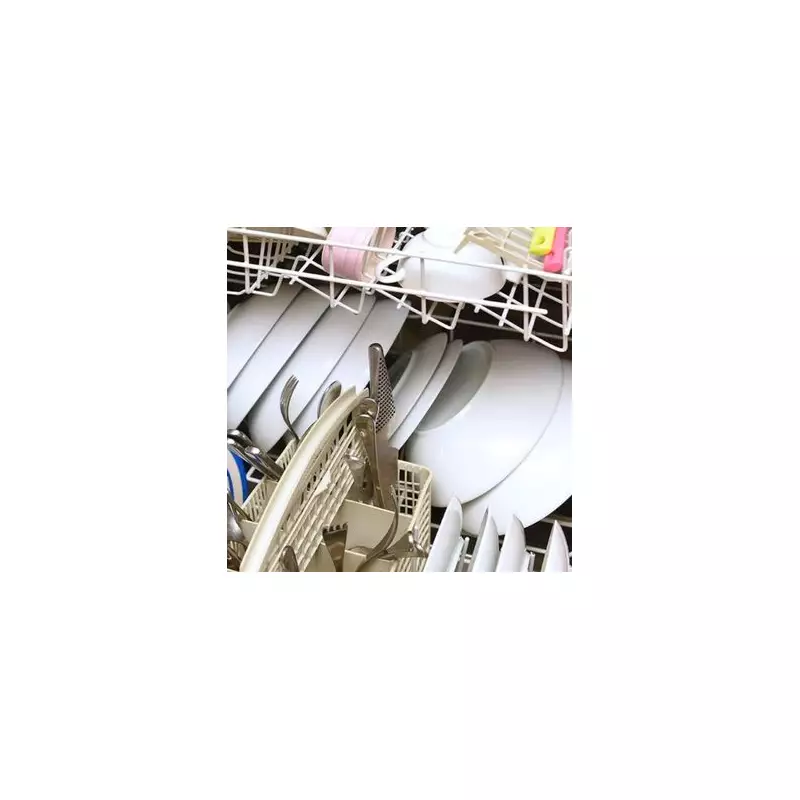
A seemingly simple household task has long divided households across the UK: which way should you place knives, forks, and spoons in the dishwasher basket? While some insist on handles up, others swear by handles down. Now, experts have weighed in to provide a definitive, safe, and effective approach to ending the domestic dispute.
The Expert Verdict from Which?
Consumer champion Which? recently summarised the pros and cons of each method, offering a clear verdict. They acknowledged that while they "don't like to sit on the fence," a hybrid approach is actually best.
For safety, sharper implements like knives should always be placed blade down. This prevents accidental cuts when unloading. For any particularly sharp knives, such as carving knives, they recommend handwashing to prevent the dishwasher's water jets from blunting the blades over time.
For all other cutlery, Which? advises placing items in an alternating pattern, some up and some down. This strategy prevents 'nesting', where items like spoons clump together and block water and detergent from circulating properly, leading to poor cleaning results.
Manufacturers' Conflicting Guidance
Advice from leading appliance brands varies, highlighting why the debate persists. LG recommends placing forks and spoons with their handles downwards.
In contrast, Bosch suggests placing knives with the sharp edge down but mixing other cutlery to avoid nesting. Meanwhile, Beko advises placing knives with handles up to ensure comfortable and safe loading and unloading.
The Case For and Against Each Method
Placing cutlery facing upwards has its advantages. Which? notes that items are more exposed to the water jets and it's easier to see if they are nesting together, allowing you to separate them for a better clean.
The primary argument for facing cutlery downwards is, unequivocally, safety, especially for sharp knives. An added benefit is that unloading is often easier when you can grab handles, and you avoid touching the ends that go in your mouth.
Ultimately, the expert-backed method combines both philosophies: prioritise safety with sharp blades down, and optimise cleaning by alternating the rest to prevent nesting. This balanced approach promises a safer unloading experience and a spotless finish for your cutlery.