
Wildlife Experts Urge Gardeners to Embrace Messy Gardens to Help Birds
As winter tightens its grip, many gardeners feel compelled to tidy their outdoor spaces in anticipation of spring. However, conservationists from Wildlife Trusts are issuing a counterintuitive plea: resist the urge to clean up and instead welcome a degree of untidiness. They argue that a less manicured garden can serve as a crucial sanctuary for vulnerable bird species during the coldest months.
A Natural Lifeline for Winter Birds
Species such as robins, blue tits, and wrens face significant challenges in late winter when their primary food source—insects—becomes scarce due to frozen ground. Wildlife experts explain that these smaller British birds rely heavily on insects for sustenance, and their survival can be directly supported by simple, cost-free garden practices.
One expert elaborated on the importance of leaf piles, stating: "Leaving a duvet of leaves is a great way to provide a perfect hiding spot for insects that are shutting down until spring. Insects enter a state called diapause, essentially pushing pause on their lifecycle during winter."
The Benefits of Leaf Litter and Wood Debris
Scattered leaf piles across your lawn do more than just create a natural aesthetic; they offer multiple ecological benefits:
- Insect Shelter: Leaves protect insects from freezing temperatures, encouraging them to lay eggs as they emerge from winter dormancy.
- Bird Attraction: The increased insect population attracts foraging birds, providing them with an easily accessible food source and encouraging regular visits to your garden.
- Soil Enrichment: As leaves decompose, they release nitrogen into the soil, promoting healthier grass growth for a lusher lawn come spring.
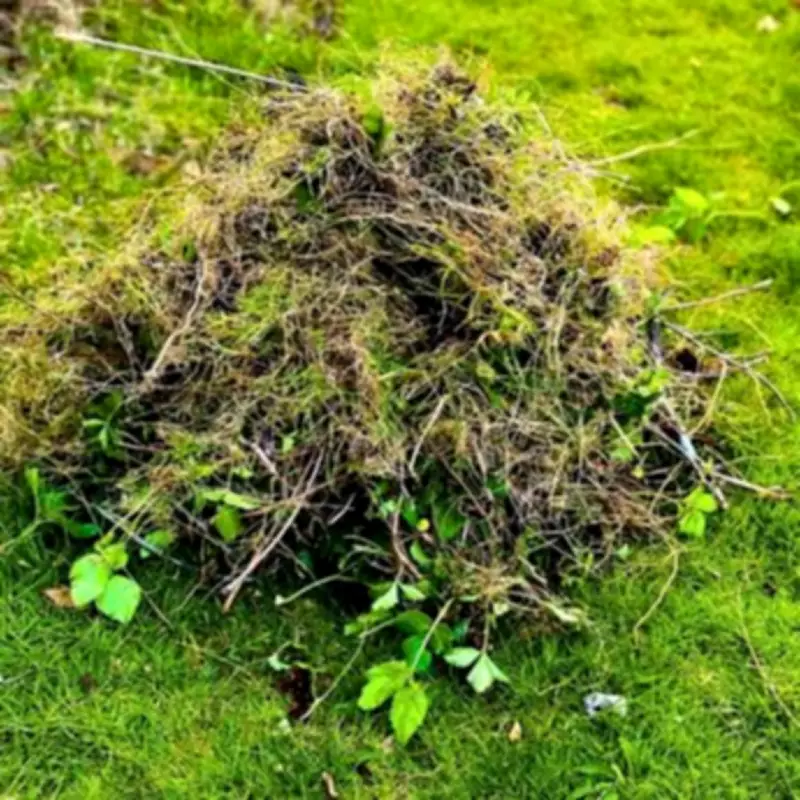
Beyond leaves, decomposing timber such as sticks, old branches, or wood piles can also create valuable feeding areas for birds. These natural elements draw insects while requiring no financial investment from gardeners.
Practical Tips for Wildlife-Friendly Gardening
For those who prefer a tidier garden appearance, experts suggest simple compromises that still benefit wildlife:
- Tuck leaves discreetly beneath hedges or shrubs rather than removing them entirely.
- Leave wood debris in undisturbed corners where it can naturally decompose.
- Avoid using pesticides, weed killers, and other chemicals that could harm birds feeding in your garden.
The fundamental principle is straightforward: leave your garden as undisturbed as possible for as long as you can manage. By doing so, you not only support local wildlife but also contribute to a healthier ecosystem. Within weeks, gardeners who adopt these practices may notice increased bird activity and the cheerful sound of birdsong returning to their outdoor spaces.
This approach represents a shift from traditional gardening norms, emphasizing that sometimes the best help we can offer nature is simply to step back and let natural processes unfold. As one expert summarized: "There are things you can do to help wildlife without moving a muscle." By embracing a slightly messier garden, you provide vital winter support for Britain's beloved bird species while enriching your own green space.