
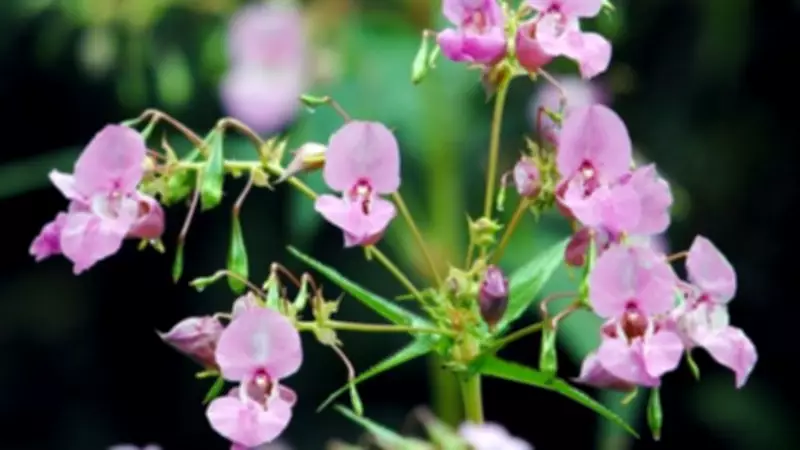
Anyone taking a walk in the sunnier months has probably spotted it: tall stems topped with bright pink flowers lining riverbanks, paths, and green spaces. Himalayan balsam is a plant that is present all over the UK, with some hotspots in the area covered by the Wildlife Trust for Lancashire, Greater Manchester, and North Merseyside. It has large, pink flowers shaped like a bonnet, which are followed by hanging green seed pods that appear in summer. The celery-like stems can grow over three metres tall and feature serrated-edged leaves.
Origins and Spread
The plant originally came from the valleys of the Himalayas in Asia, and its beauty led Victorian plant hunters to introduce it to gardens back in 1839. Since then, several factors have led to it establishing itself as one of the most invasive plants in Britain. Not only does it grow incredibly quickly, but it also spreads rapidly due to its explosive seed pods, which can travel up to seven metres. Plants situated on riverbanks are at an advantage as they can easily spread their seeds via the river, causing further dispersal downstream. As well as destabilising riverbanks, it also damages habitats for species such as water vole.
Impact on Wildlife
It is very problematic for wildlife once it has established itself. It can take over an area quickly, out-competing native plants for light, nutrients, pollinators, and space. Although you might see some pollinators enjoying their flowers, it is not good for them long-term. Imagine if we only stuck to one food group for our whole lives. Many bees need nectar and pollen from different sources, but due to the availability of Himalayan balsam, they often go for the easy option, which does not fully provide all of these. The long-term implications for their health and reproduction remain unknown.
Removal Guidelines
The plant should be removed, but only at the right time of year, and depending on where it is, you may need to ask for permission. The ideal window for removal is from when it first appears in spring through to approximately the end of August, before the seed pods mature and begin to explode. Remember this: once the seedheads pop, it is time to stop. Trying to remove it outside of this timeframe can do more harm than good by helping it spread. Although there is a full removal guide on the Wildlife Trust website, joining a local volunteer group is recommended to tackle this wide-scale issue with the help of others.
Get Involved
If you are keen to get involved, search the volunteering page on the website for 'balsam bashing' opportunities over the next couple of months. Last year, volunteers spent over 1,300 hours pulling it up across many nature reserves, including Longworth Clough, Darcy Lever Gravel Pits, Wythenshawe Park, and more. The Wildlife Trust is also involved in the annual Big Balsam Bash, which launched last year in Bury. Local community groups, charities, and passionate volunteers have been taking a united approach to this growing problem, with support from Bury Council. It will launch again in May half-term, and all ages and abilities are welcome. It is a great way to learn the method before having a go yourself in your local area. The organisers are expanding this initiative in the coming months to more areas within Greater Manchester, so keep your eyes peeled if you are interested in taking part.
To become a member of the Wildlife Trust for Lancashire, Manchester and North Merseyside, go to their website at www.lancswt.org.uk or call 01772 324129. For more information about Cheshire Wildlife Trust, call 01948 820728 or go to www.cheshirewildlifetrust.org.uk.