
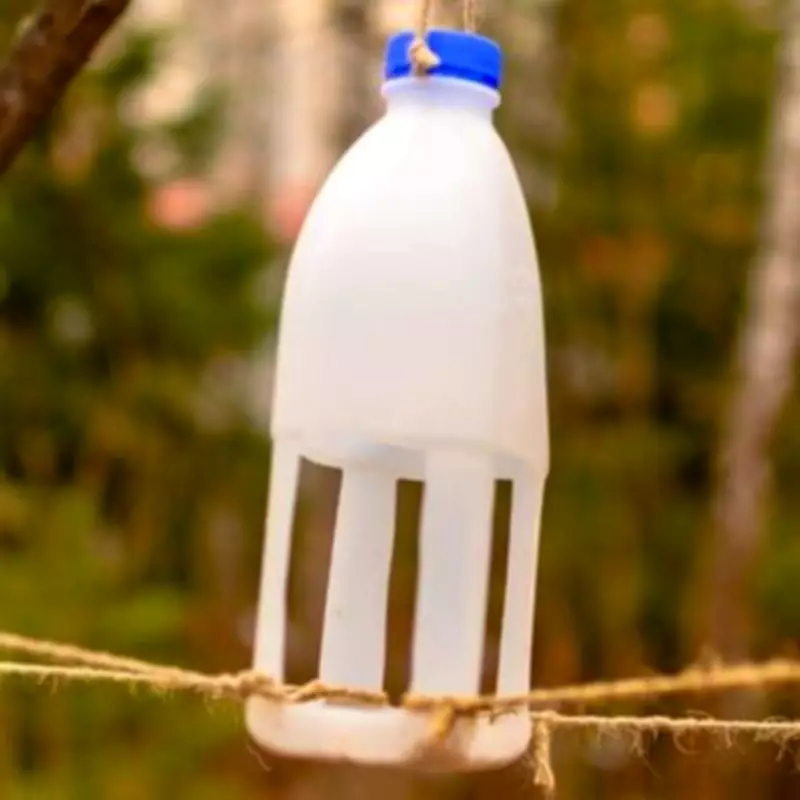
Gardeners Urged to Repurpose Milk Cartons as Bird Feeders This Spring
Gardeners across the region are being advised to hold onto their empty milk cartons and plastic bottles this spring, as these everyday items can be easily transformed into essential bird feeders. This simple, cost-effective DIY project provides vital support for local bird populations during what is often the most difficult month of the year for avian survival.
The Critical Need for Spring Bird Feeding
April presents a unique challenge for birds, as temperatures become warm enough to initiate nesting activities while natural food sources remain scarce. Plants are only beginning to regenerate, meaning insects, seeds, and berries are not yet abundant. This scarcity forces parent birds to leave their nests for extended periods in search of sustenance, leaving vulnerable chicks exposed to predators.
Taking just a few minutes to provide supplementary food can significantly improve survival rates for local bird families. According to gardening expert Robbie, co-founder of Gardening Easy, creating a milk carton bird feeder takes "less than 10 minutes to put together" and offers substantial benefits without requiring any financial investment.
Why Milk Cartons Make Perfect Bird Feeders
Most households regularly discard or recycle milk cartons, yet these containers possess ideal characteristics for bird feeding applications. Their completely waterproof nature ensures that bird food remains dry and protected from the elements, while their sturdy construction deters squirrels, rats, and mice from accessing the contents.
"This bird feeder is rainproof and fun for anyone to make," explains Robbie. "It's also hard for squirrels, rats and mice to get to this feeder, and the birds love it."
By providing a convenient food source near nesting sites, these homemade feeders allow parent birds to remain closer to their chicks rather than undertaking lengthy foraging expeditions. This proximity increases chick survival rates while encouraging birds to establish nests in the immediate vicinity.
Additional Benefits of Attracting Birds to Your Garden
Beyond supporting local wildlife, attracting birds to your garden offers multiple advantages. An increased bird population enhances the visual appeal of outdoor spaces while providing natural pest control services. As temperatures rise, birds will begin consuming insects around your plants, reducing the need for chemical interventions.
Bird feeders also increase the likelihood of spotting beloved British species such as robins or even owls in your garden, creating rewarding wildlife viewing opportunities for the whole family.
How to Create Your Own Milk Carton Bird Feeder
Materials Required:
- An empty milk carton or large plastic bottle
- Tomato stake or similar strong stick
- Twine or strong string
- Zip ties or tape
- Wooden skewers (optional)
Step-by-Step Instructions:
- Thoroughly rinse the milk carton under warm water to remove any residual liquid, ensuring it is completely dry before beginning construction.
- Using scissors, cut large holes on each side of the bottle to create entry points for birds. Leave sufficient space at both the top and bottom of the container.
- For ground feeders: Create a hole beneath one of the large openings and slide your stick through it. Secure the stick using zip ties or tape to ensure stability.
- For hanging feeders: Pierce two holes near the top of the milk carton. Thread twine through the holes and tie it firmly in place to create a suspension system.
- Fill the completed feeder with bird seeds or suitable leftover food items.
Optimal Placement and Enhancement Tips
When positioning your homemade bird feeder, consider these recommendations for maximum effectiveness and safety:
Ground feeders should be placed into plant pots or flowerpots to ensure the stake remains stable and upright. Hanging feeders should be positioned in visible garden locations while maintaining distance from fences, sheds, or other structures that cats might use as climbing aids.
Patios represent ideal locations for bird feeders, as they are typically further from potential predators and offer convenient refilling access. Consider adding perches to your feeders, as birds are more likely to return regularly if they have comfortable resting spots while feeding.
To create simple perches, drill small holes on opposite sides of the bottle and insert small sticks, wooden skewers, chopsticks, bamboo sticks, or sturdy twigs. These additions significantly enhance the functionality and appeal of your homemade bird feeder.
This straightforward recycling project transforms household waste into valuable wildlife support, demonstrating how small actions can make substantial differences in local ecosystems during the critical spring nesting season.