
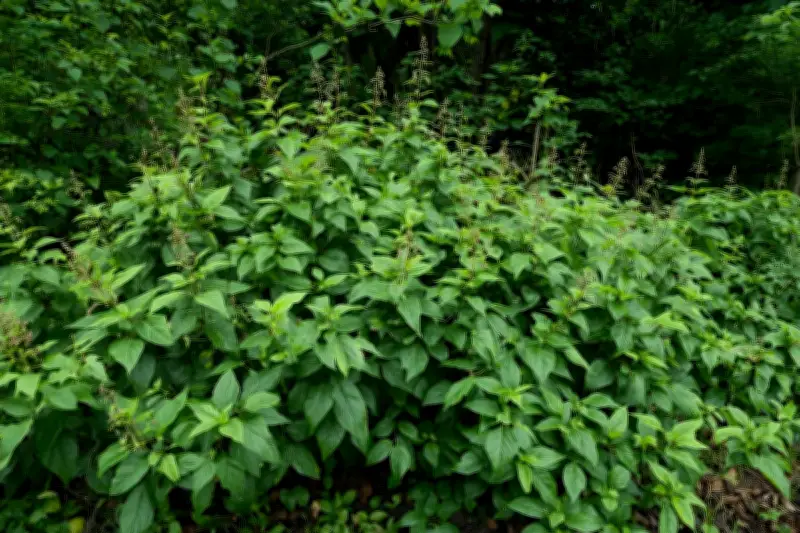
New data has pinpointed the West Midlands and Black Country areas most blighted by Japanese knotweed and other invasive non-native plants, with Birmingham, Dudley, and Sandwell emerging as the worst-affected locations.
Hotspots Across the Region
According to the latest invasive plant map from Environet UK, Birmingham has the highest number of Japanese knotweed sightings in the West Midlands, with 127 recorded infestations. The plant, which can cause significant damage to buildings and infrastructure, is particularly prevalent in the city's residential areas.
Dudley follows with 94 sightings, while Sandwell has 82. Wolverhampton and Walsall also feature prominently, with 71 and 65 infestations respectively. The Black Country towns of West Bromwich, Stourbridge, and Halesowen are also affected, with dozens of cases each.
The Impact of Japanese Knotweed
Japanese knotweed is a highly invasive plant that can grow through concrete, tarmac, and building foundations, reducing property values and making homes difficult to sell. It is estimated that the presence of knotweed can reduce a property's value by up to 10%. The plant spreads rapidly, with roots that can extend up to three metres deep and seven metres horizontally.
Nic Seal, founder and managing director of Environet, said: "Japanese knotweed remains a significant problem across the West Midlands and Black Country, with many homeowners unaware of the risk until they try to sell their property or discover it on their land. Early identification and treatment are crucial to prevent the plant from spreading further."
Other Invasive Species
While Japanese knotweed is the most notorious, other invasive plants are also causing problems in the region. Himalayan balsam, giant hogweed, and rhododendron ponticum are among the species that have established themselves in the West Midlands. Giant hogweed poses a particular risk to human health, as its sap can cause severe burns and blisters when exposed to sunlight.
Environet's data shows that the spread of these plants is exacerbated by climate change, with warmer temperatures allowing them to thrive in new areas. The company advises homeowners to check their gardens for signs of invasive plants, especially if they are planning to sell their property.
What to Do If You Find Invasive Plants
If you suspect Japanese knotweed or another invasive plant on your land, experts recommend contacting a specialist removal company. Treatment typically involves herbicide application over several seasons or excavation and disposal at a licensed landfill site. It is illegal to plant or cause the spread of Japanese knotweed in the wild, and failure to control it on your property can lead to legal disputes with neighbours.
Local councils in the West Midlands have been working to manage the problem, but the scale of the issue means that individual homeowners must also take responsibility. Environet offers a free online tool where residents can check the risk of knotweed in their area and access advice on how to deal with it.