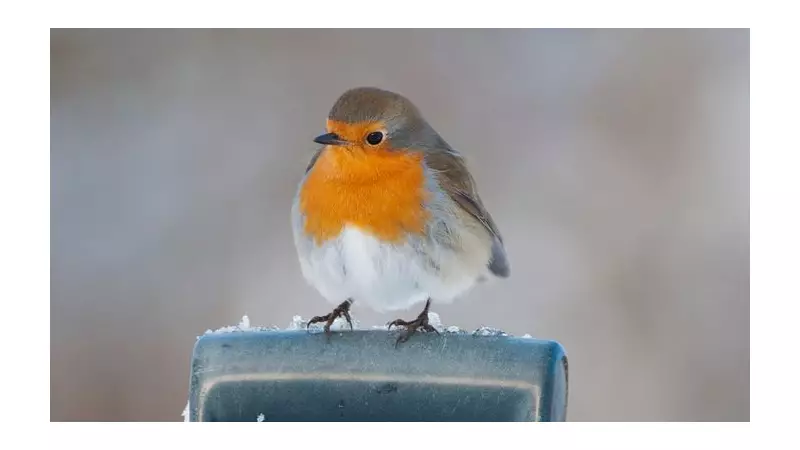
As the first half of January slips into memory and New Year's resolutions begin to falter, a leading conservation charity is issuing a fresh and vital appeal. The Northumberland Wildlife Trust is calling on the public to make one more significant promise for the year ahead: to actively support their region's precious wildlife throughout 2026.
Affordable Ways to Make a Difference in Your Garden
The Trust emphasises that helping nature doesn't require a fortune. With many species increasingly under threat, domestic gardens and outdoor spaces have become critical sanctuaries, especially during the colder months. There are numerous simple and cost-effective actions people can take to provide shelter and food.
Providing food and water is one of the most immediate helps. Bowls of kitchen staples like suet, peanuts, seeds, apples, and dried fruit can be lifesaving for birds and small mammals. Fresh, unfrozen water is equally crucial. Installing bird feeders, nest boxes, and dedicated hedgehog food stations will attract various species and serve as a superb way to engage children with the natural world.
Creating Safe Havens and Sheltered Habitats
Offering shelter is another key step. Creating habitats in the sunniest, most sheltered spot of a garden can have a huge impact. A simple stack of bricks and pots provides an ideal home for creatures like toads and newts, while piles of sticks and logs are perfect for hedgehogs and insects.
Bees are particularly drawn to wood with small holes, left in a sunny location. Such wood is a valuable part of the ecosystem, potentially becoming home to beetles, centipedes, spiders, and fungi. The Trust also advises gardeners to leave gardens undisturbed until spring. Uncut grass offers perfect cover for frogs and mice, while piles of leaves are nutrient-rich and excellent for hedgehogs, worms, and other mini-beasts. Old flower stems in beds and pots can provide much-needed food sources.
Expert Advice: Hold Back for Wildlife's Sake
Geoff Dobbins, Estates Manager at Northumberland Wildlife Trust, explained the importance of these measures. "Gardens are a vital source of shelter and food for wildlife, especially in winter months when many species need warm, dry spaces to bed down in," he said.
He also urged caution with garden maintenance, suggesting people go easy with clippers. Hedges producing berries should not be cut back, as they become a crucial food source for birds and mammals when other options are scarce. Similarly, ivy is important for bees and butterflies, flowering in autumn and providing valuable nectar before hibernation. It also offers a safe hideaway for small mammals.
Even seemingly barren spots can be havens; a dusty shed corner may host overwintering butterflies, and a wall could harbour bees or ladybirds. "When you are out in your garden, please bear in mind how holding back on some projects until spring can really make a difference," Dobbins added. "You never know, you may be rewarded with visits from some wonderful species."
For those wishing to offer broader support, the wildlife charity offers various avenues, including membership packages, an online shop, and symbolic adoption packages for owls and hedgehogs. Supporters can even participate in events like this year's Great North Run to raise funds and awareness.