Crosby's Coastal Defence System Shows Its Age
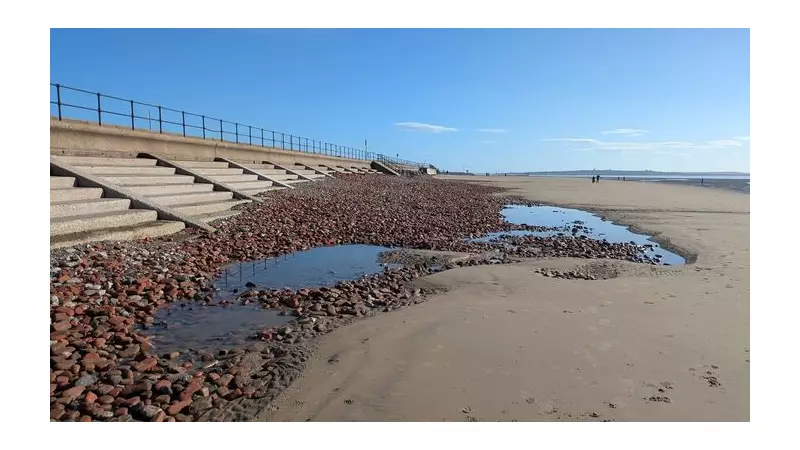
The relentless power of nature is demonstrating its force along the Sefton coastline as World War II-era rubble defences originally placed to prevent erosion are now being worn down and dislodged by decades of tidal action and weather. The material, consisting of thousands of tonnes of blitz rubble and excavated material from the Mersey tunnels, was deposited north of Hall Road at Crosby after the war on a stretch then ominously known as "The Erosion".
From Solution to Problem
What initially seemed like a successful solution - the debris halted damaging erosion almost immediately when placed over 70 years ago - has transformed into a different challenge entirely. The rubble has been broken up, worn down, and displaced, with sections now being pushed down the coast to wash up on Crosby beach. Complicating matters further, visitors have been removing the worn bricks from the area, creating what might be the only coastal defence system slowly being dismantled by the very people it was designed to protect.
In a surprising reversal, what once served as an effective weapon against coastal erosion has become an agent of erosion itself. Smaller pieces now grind and roll against the coastline during high tides and stormy conditions, accelerating the very process they were meant to prevent.
Current Conservation Efforts
Recent visitors to Hall Road might have witnessed contractors working to address the situation by moving some of the tide-washed rubble back north to reinforce one of the weakest areas of the existing defence. This work was carefully coordinated with tide times and specifically planned to avoid periods when wading birds use the area north of Hall Road as a roosting site.
While these measures might temporarily slow the erosion process, coastal specialists acknowledge that the fundamental processes of erosion and accretion along this protected wild coastline are far beyond human control. These natural forces have shaped the Sefton coast for thousands of years, creating the dynamic landscape that supports unique habitats and species.
John Dempsey of Green Sefton emphasises that these coastal processes, while challenging human infrastructure, are essential for maintaining healthy coastal ecosystems. The rising and falling of dunes and saltmarsh provide invaluable defence against globally rising sea levels while simultaneously sequestering carbon - benefits that would be lost if these natural processes were completely halted.