As Brits prepare to jet off on holiday, many will be leaving behind a host of energy-draining devices that continue to quietly consume electricity and pose potential fire risks. Unplugging electrical appliances before a trip is one of the simplest and most effective ways to save money, improve home safety, and eliminate the phenomenon known as 'vampire power.'
The Hidden Cost of Standby Power
Energy provider Endesa explains: "The phenomenon known as vampire or standby power describes the energy your devices use simply by being plugged in. It's the reason why the variable term of your electricity bill never truly drops to zero, even when no one is home."
This silent waste is far from insignificant. According to the Institute for Energy Diversification and Saving (IDAE), standby power accounts for between 7% and 11% of the total electricity consumption of an average household. In practical terms, that amounts to around 300 kWh of electricity per year consumed without anyone actually benefiting from it.

"To understand why this happens, you need to look at the devices themselves," Endesa added. "Many appliances remain active as long as they are connected to the grid, generating a constant trickle of electricity consumption even when the device is technically 'off.'"
Eliminating vampire power is one of the most direct ways to save electricity while you're on holiday, but knowing what can be safely unplugged is key.
Fire Risk: A Sobering Statistic
The benefits of unplugging extend beyond your wallet. In the UK last year, there were 32,500 house fires, and 44 per cent of them were caused by electrical cooking appliances. White goods such as dishwashers, washing machines and tumble dryers are among the key offenders, along with hair styling tools, electric blankets, home entertainment systems, and office devices.
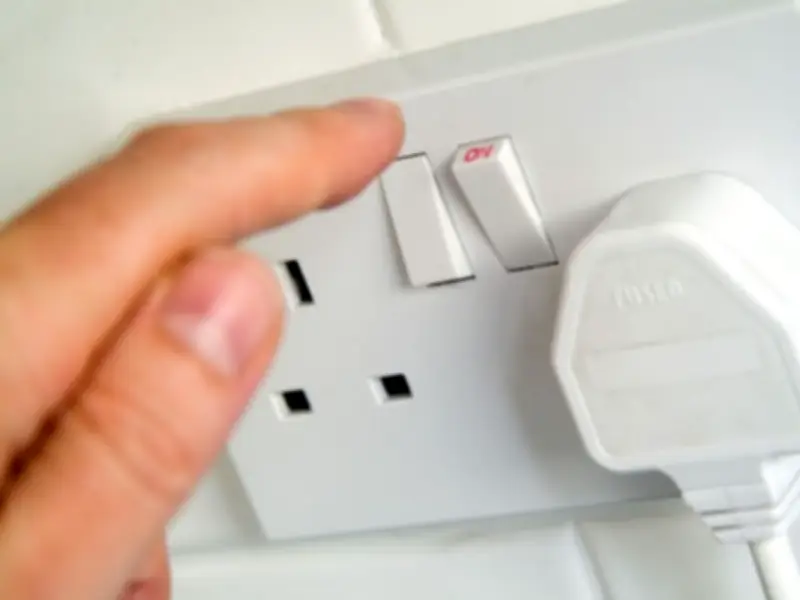
Leaving these items plugged in and running while you're away increases the risk of an electrical fault turning into a serious incident. By turning off and unplugging at the socket, you remove that risk entirely.
The 29 Appliances You Should Unplug
Endesa has identified the following 29 electrical appliances that can often drain energy or cause fire risks if left connected while you're away:
Kitchen Appliances
- Microwaves
- Toasters
- Kettles
- Air fryers
- Coffee machines
- Dishwashers
Laundry and Cleaning
- Washing machines
- Tumble dryers
Personal Transport and Bedding
- E-bikes
- E-scooters
- Electric blankets
Hair Styling Tools
- Hair straighteners
- Hair curlers
- Hair dryers
Home Entertainment
- TVs
- Set top boxes
- Stereos
- Smart speakers
- Smart home devices
- Digital radios
- Media players
- Games consoles
Office Equipment
- Printers
- Computers
- Laptops
- Monitors
- Scanners
- Shredders
- Laminators
This list covers the most common energy vampires in British homes. Many of these devices continue to draw power even when switched off, so unplugging them at the wall is the only sure way to stop the drain.
What Should Stay Plugged In?
While the list above covers most energy vampires, some appliances must remain connected for practical or safety reasons. Refrigerators and freezers, for instance, need to stay on to keep food safe. Similarly, security systems, smoke detectors, and smart doorbells may rely on a continuous power supply, and your internet router may be needed to keep those services working.
If you have a freezer full of food, it's wise to leave it running. For other devices, consider whether they truly need power while you're away. Turning off non-essential sockets and using extension leads with switches can make the process even easier.
Simple Steps for a Safer, Cheaper Holiday
Before you lock the front door, make a habit of walking through your home and checking every room. Unplug small appliances in the kitchen, switch off entertainment systems, and disable office equipment at the wall. This not only cuts standby power waste but also removes potential fire hazards.

For added convenience, smart plugs can be programmed to switch off automatically, and some allow you to control devices remotely while you're away. However, the most straightforward approach is simply to unplug everything that doesn't need to stay connected.
By taking a few minutes before you leave, you can return from your holiday to lower energy bills, a safer home, and peace of mind.