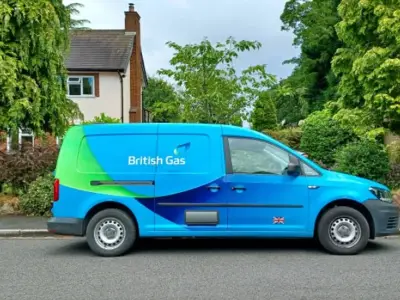
Households across Britain are set to benefit from enhanced consumer protections and potential energy bill savings as new regulations governing smart meter installations come into force. Energy regulator Ofgem has confirmed that major suppliers including Octopus Energy, British Gas, Ovo, EDF and E.ON will be required to make automatic compensation payments when customers experience significant delays or failed appointments.
Automatic Payments for Installation Problems
The new standards, which form part of Ofgem's updated Guaranteed Standards of Performance framework, will see customers automatically receive £40 compensation in several specific circumstances. This represents a significant strengthening of consumer rights in the energy sector and aims to address long-standing concerns about smart meter rollout reliability.
When Compensation Applies
Under the carefully defined regulations, households will qualify for the automatic £40 payment when encountering any of the following situations:

- Waiting more than six weeks for a scheduled smart meter installation appointment
- Experiencing a failed installation appointment due to faults within the supplier's control
- Reporting a smart meter problem and not receiving a resolution plan within five working days
These measures come as part of a broader regulatory crackdown on smart meter issues that has already seen more than 900,000 faulty meters repaired or replaced since the beginning of 2024. Officials confirm this number continues to rise as compliance efforts intensify.
Boosting Consumer Confidence
Industry experts have welcomed the changes as a crucial step toward rebuilding consumer trust in smart meter technology. Richard Neudegg, director of regulation at Uswitch.com, emphasised how these protections could transform household attitudes toward installation.
"These rules represent excellent news for households who have previously been discouraged from obtaining smart meters due to past delays or unsatisfactory experiences," Neudegg explained. "The knowledge that automatic compensation exists should provide consumers with greater confidence to proceed with installations and access the substantial benefits that smart meters offer."
Unlocking Energy Savings
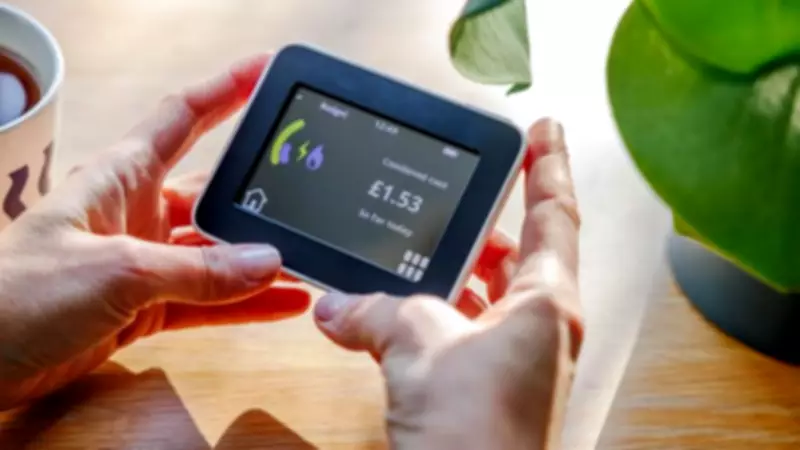
The regulatory changes are designed not only to protect consumers but also to accelerate smart meter adoption, which experts believe could unlock significant financial benefits for households. Smart meters provide access to newer, often cheaper energy tariffs while enabling more accurate billing and real-time energy consumption monitoring.
Beyond basic functionality, these devices grant households entry to various energy-saving schemes and applications that offer financial rewards for reducing electricity usage during peak periods. Suppliers and third-party platforms like Uswitch provide opportunities for bill reductions and direct monetary benefits through participation in these programmes.
Driving Supplier Performance Improvements
Melissa Giordano, deputy director of systems and processes at Ofgem, outlined the regulator's expectations clearly: "Smart meters deliver accurate billing, access to cheaper tariffs, and real-time energy tracking capabilities. Every customer who wants a smart meter deserves prompt installation and immediate functionality. These updated regulations establish clear supplier expectations, drive performance improvements, and safeguard consumers when problems occur."
The compensation framework builds upon existing requirements that already mandate automatic £40 payments for various service failures, including missed appointments, unresolved meter faults, and delayed customer switches. The new announcement specifically extends these protections to cover smart meter installations comprehensively.
Implementation Timeline
These enhanced compensation rules are scheduled to take effect from February 2026, with a comprehensive review planned for early 2027. The reforms follow Ofgem's initial proposals from March of last year, which included new obligations for suppliers to improve service quality for customers requesting smart meters.

Current Government statistics reveal that more than 70% of British homes now have smart or advanced meters installed, with over 90% functioning correctly. The regulatory changes aim to increase these percentages while ensuring that households can confidently embrace technology that offers both financial and environmental benefits.
Ultimately, Ofgem's reforms seek to enhance customer experience, boost smart meter adoption rates, and help households leverage cheaper tariffs while gaining better control over their energy consumption patterns. The automatic compensation system represents a tangible commitment to holding energy suppliers accountable while empowering consumers throughout their smart meter journey.