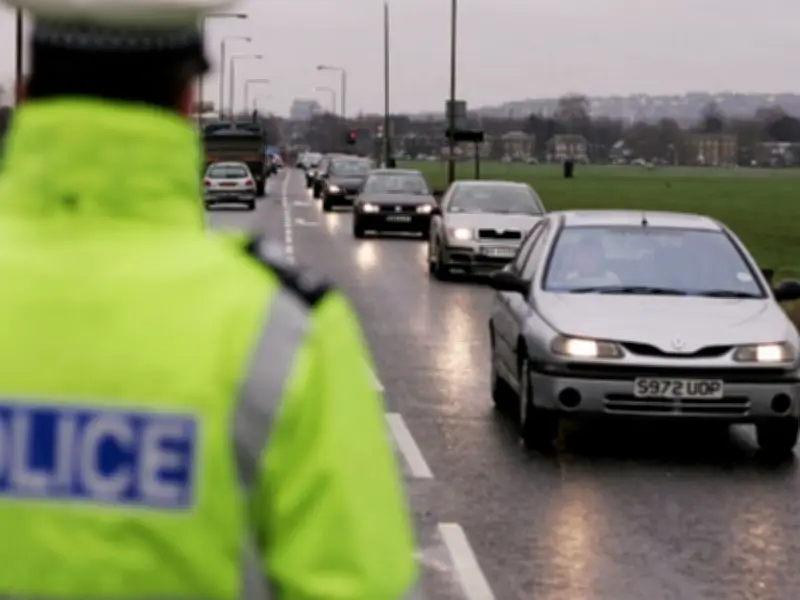
The Andy Burnham administration is poised to release the findings of its Road Safety Strategy consultation, which could herald a significant reduction in the drink-drive limit across England. The Department for Transport (DfT) has been evaluating the introduction of a stricter threshold, a move that would align England more closely with Scotland's existing lower limits.
Consultation Outcomes Imminent
The consultation, which concluded on May 16, has generated considerable attention. The government has committed to publishing a summary of responses within three months, meaning the next stage should be reached by August 16. This timeline sets the stage for potential legislative changes later this year, as the DfT moves to amend existing drink-drive regulations.
In a statement, the government acknowledged the complexity of the issue: "There are differing limits in the United Kingdom, with a lower limit in Scotland compared to England and Wales. Northern Ireland is planning to lower limits in the near future, as shown below. This is a complex area so we are specifically seeking views through this consultation."

Current Limits and Proposed Changes
Presently, the legal blood alcohol concentration (BAC) limits in England, Wales, and Northern Ireland stand at 80 milligrammes per 100 millilitres of blood, 35 microgrammes per 100 millilitres of breath, and 107 milligrammes per 100 millilitres of urine. In contrast, Scotland has adopted stricter thresholds: 50 milligrammes per 100 millilitres of blood, 22 microgrammes per 100 millilitres of breath, and 67 milligrammes per 100 millilitres of urine.
The DfT's consultation has specifically focused on the potential for a reduced limit for novice drivers. This follows research commissioned from the National Institute for Health and Care Excellence (NICE), which identified that younger drivers face a disproportionately higher risk of collisions after consuming alcohol. NICE's findings highlight that younger individuals are less experienced behind the wheel and possess a lower tolerance to alcohol's effects due to their immaturity. Furthermore, they may be inherently predisposed to risk-taking behaviours, irrespective of alcohol consumption.
Focus on Younger Drivers
The government has explicitly stated: "Given the relative inexperience of novice drivers, the government is consulting on a lower drink limit for this group." This targeted approach aims to mitigate the elevated risks faced by younger motorists, who are statistically more vulnerable to alcohol-related accidents.
Should the government proceed with a lower limit for all drivers, it would represent a major shift in policy. The potential alignment with Scotland's standards could reduce the permissible BAC to 50 milligrammes per 100 millilitres of blood, a 37.5% reduction from the current level. Such a change would bring England in line with many European countries and could significantly impact road safety statistics.
Next Steps and Legislative Timeline
The DfT has confirmed that a summary of responses will be published this month, ahead of the government's plan to 'amend the legislation later this year'. This indicates that the consultation process is on track, with the potential for new regulations to be enacted before the end of 2026.
Road safety campaigners have long advocated for stricter drink-drive limits, citing evidence that even small amounts of alcohol can impair driving ability. The move by the Burnham administration, if implemented, could save numerous lives and prevent serious injuries on England's roads.
As the publication date approaches, stakeholders, including motoring organisations and public health bodies, will be closely monitoring the government's decision. The outcome of this consultation could mark a pivotal moment in UK road safety policy, with far-reaching implications for drivers across the country.