

Deer Culling Rules to Change in England to Protect Woodlands and Crops
The government is planning new legislation that will grant landowners and tenants the rights to cull deer in order to protect crops and property. This move aims to address the overpopulation of deer, which has been causing significant damage to woodlands and agricultural land across England.
Addressing Deer Overpopulation
Environment Secretary Emma Reynolds is spearheading this initiative to stem the rising deer population. Overpopulation affects woodlands as deer consume leaves, buds, and sapling stalks, and damage young trees with their antlers. This ecological impact has prompted the need for timely interventions.
Emma Dear, the principal officer for tree establishment at Natural England, highlighted the issue in a statement to the Guardian. She explained, "There is an issue because of the way deer move through the landscape and are not constrained to one patch. The grant system was only facilitated in the woodlands; the new strategy will address that."

Climate Change and Deer Behavior
Dear also noted that climate change is influencing deer behavior. "Deer are changing their behaviour because of warmer winters. They can overwinter in better conditions and the number of babies they have is higher when the winter is warmer," she said. This has exacerbated the overpopulation problem, making management more urgent.
Support for the Venison Industry
The new strategy includes a focus on supporting the wild venison sector. Dear added, "There is a section of the strategy that is looking at venison marketing and supporting that industry. Supporting the wild venison sector will hopefully reduce the cost of management." This approach aims to create economic opportunities while addressing ecological concerns.
Impact on Landowners and Farmers
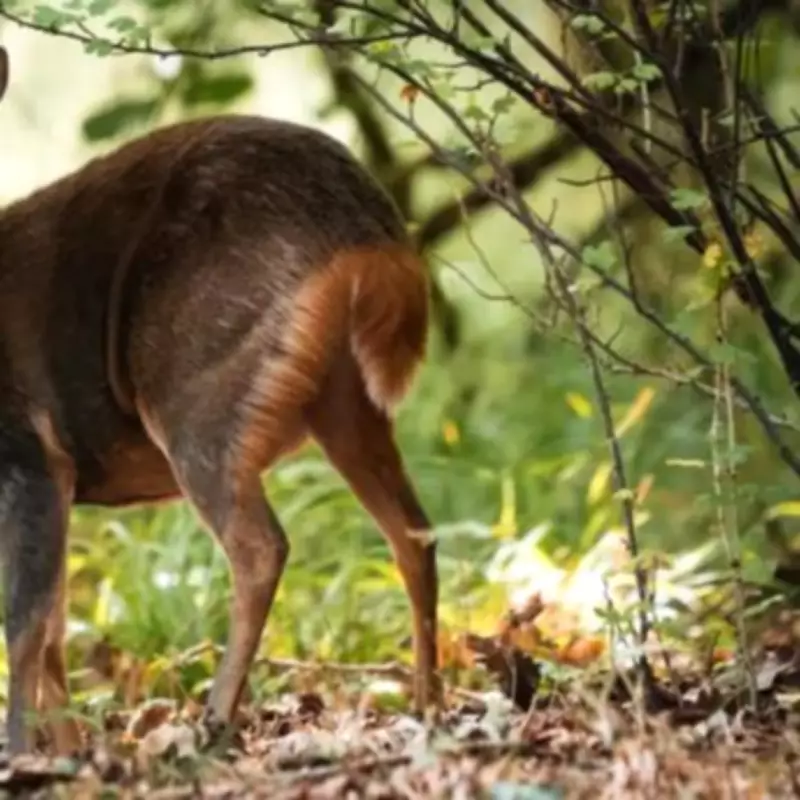
Andrew Blenkiron, who oversees the Elveden estate in Suffolk, welcomed the measures. He reported that deer numbers had "rocketed" during Covid lockdowns and remained high, causing significant crop damage. Blenkiron told the BBC that dealing with smaller deer such as muntjac was a "horrendous battle as they almost breed like rabbits," with losses costing the estate up to £100,000 annually.
He explained, "Carrots are a real focus for them. They even dig potatoes up, believe it or not. The big red deer dig potatoes out of the ground." This illustrates the severe impact on agriculture.
Professional and Volunteer Support
Martin Edwards, head of deer and woodland management for the British Association for Shooting and Conservation, expressed support for the plan. He said there would be "real opportunities to build on the work of both volunteer and professional deer managers in tackling the UK's expanding deer population."
Government Commitment
Nature Minister Mary Creagh emphasized the government's commitment to helping landowners and farmers. She stated that the government is dedicated to tackling the problems caused by deer "so woodlands can flourish and crops can be better protected." This legislation is part of a broader effort to balance ecological preservation with agricultural needs.

