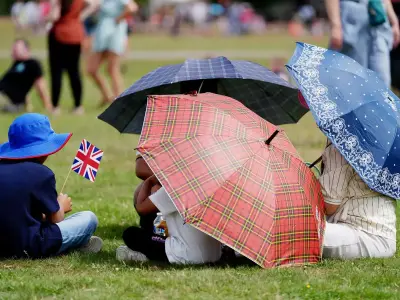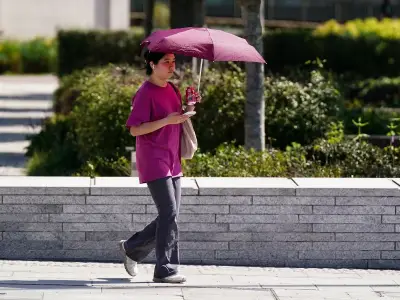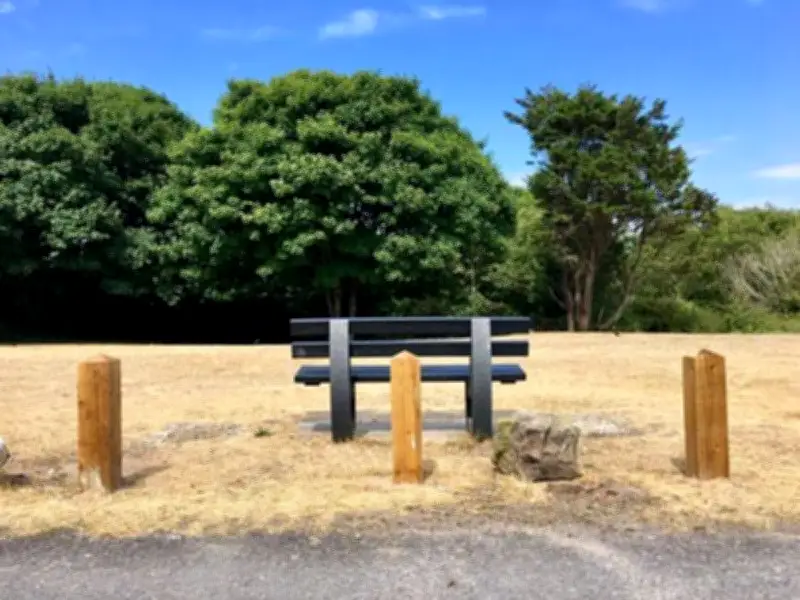
The West Midlands has been officially declared a drought area, and the Met Office's chief meteorologist has warned that rainfall forecast for the coming days may not be enough to bring the region out of drought.
Birmingham and the wider West Midlands entered drought status on July 29, 2026, following an exceptionally dry July and repeated heatwaves. Severn Trent has seen reservoir levels drop significantly after successive weeks of minimal rainfall and high temperatures have left local ground parched and river levels low.
Drought conditions persist across England and Wales
The government has cautioned that dry conditions could persist until October after officials declared 71.3 per cent of England is now in drought, following the nation's driest six-month period since 1976. Last week, the East Midlands, Lincolnshire and Northamptonshire, Kent and Sussex entered drought status, joining half of England and the entirety of Wales.

Precipitation totals for July varied from 26 per cent of the anticipated average for North West England to as little as 1 per cent in the South East. Areas of Hampshire, the Isle of Wight and West Sussex have not experienced a single drop for 59 days.
Wildfires increase with dry conditions
Wild fires have been increasing in the region with huge swathes of land burning. A fire that broke out near a golf course "fully destroyed" 19 properties in Stourbridge and saw 54 people were treated by paramedics, with 19 requiring hospital admission.
Over the coming two days, there could be respite for many, with rain forecast for the first time in weeks. Millions of people across England and Wales were left stunned last night after receiving a blaring Government emergency alert carrying a stark warning against 'any activity that could start a fire'.
Autumn rain not guaranteed
Weather experts are warning that Autumn rainfall is not guaranteed to reverse the drought conditions affecting most of England and all of Wales. Will Lang, the Met Office's chief meteorologist, told the Press Association rain is on its way, but there remains a question mark over how much would fall.
"Having seen virtually no rainfall in southern parts of the UK, we will see some rainfall," he said. "How much is the question. The answer is probably not too much compared with our forecast. It's looking like the overall amount of rain will still be below normal for the time of year."
He continued: "Looking forward into the autumn, though, that's when we'd normally see a change of conditions. We do see wetter and windier conditions and we will see more rainfall. Again, 'how much?' is the question – and whether that's enough to alleviate things like the current drought problems, we don't know yet."
Prime Minister Andy Burnham told broadcasters: "We might be in for a wet autumn and winter straight after this, because of El Nino and some of the issues there, which was reported to Cobra. So, after fire could come floods. We have to face up to the changing climate. I think we need a different debate about that."
"There's no point denying where we are – we need to face up to it, we need more clean energy, we need to see that transition accelerate. Those are all of the issues that, you know, are right now in discussion."
El Niño is declared when sea temperatures in the tropical eastern Pacific rise 0.5C above the long-term average. The Met Office's Professor Adam Scaife previously warned that this year's El Niño will likely cause "a temporary spike in global annual temperature with the residual heat potentially making next year the hottest in the global series from 1850".