The Department for Transport (DfT) has confirmed that no new smart motorways will be built in England under the leadership of Andy Burnham, as part of its newly published Road Safety Strategy. The strategy, first launched in January under former Prime Minister Sir Keir Starmer, aims to significantly reduce road deaths across the country.
Key Safety Measures in the Strategy
The ambitious reforms encompass a wide range of measures, including mandatory car assistance technology, stricter seatbelt regulations, and eyesight checks for drivers over the age of 70. Additionally, the strategy proposes introducing a minimum learning period for learner drivers in the UK, a move designed to enhance driving skills and safety from the outset.
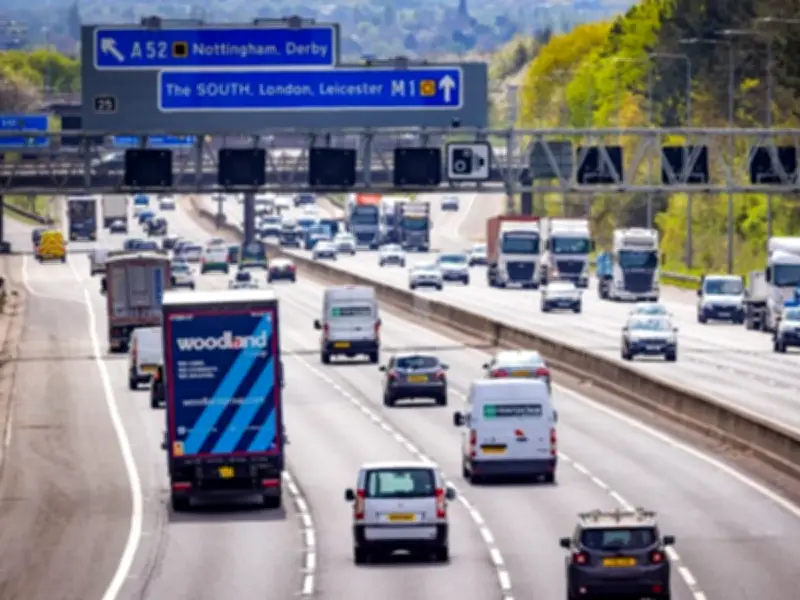
While the government remains committed to ensuring existing smart motorways are as safe as possible, the strategy explicitly states that no new smart motorways will be constructed. This decision comes despite recent analysis from National Highways indicating that smart motorways are generally safer than conventional motorways in terms of deaths and serious injuries.

Government Stance on Smart Motorways
The strategy document reads: "Whilst the latest analysis published by National Highways continues to show that, overall, smart motorways are safer than conventional motorways in terms of deaths and serious injuries, government recognises public concerns and will not be building any new smart motorways."
During the second road period (April 2020 – March 2025), National Highways delivered significant safety improvements on existing smart motorways, including the rollout of stopped vehicle detection technology and the construction of over 150 additional emergency stopping places across all lane running motorways. These enhancements were part of a concerted effort to address safety concerns raised by motorists and campaigners.
Ongoing Evaluation and Future Plans
National Highways is currently evaluating the impact of these safety measures. The government is collecting five years of safety and economic data, with this work expected to be completed by 2028. Smart motorway safety performance continues to be monitored closely. During the third road period (April 2026 – March 2031), National Highways will continue to take action to improve safety across the Strategic Road Network, including on smart motorways.
Value for Money Concerns
However, the government's own assessments have cast doubt on the value of smart motorway schemes. Official evaluations from National Highways revealed that most of England's smart motorway projects were rated as "poor" or "very poor" value for money. This has fueled criticism from motoring organisations, with the AA describing the reports as revealing smart motorways had been a "catastrophic waste of time, money and effort."
The decision to halt new smart motorway construction aligns with public sentiment and political pressure, as concerns over safety and cost-effectiveness continue to dominate the debate.