

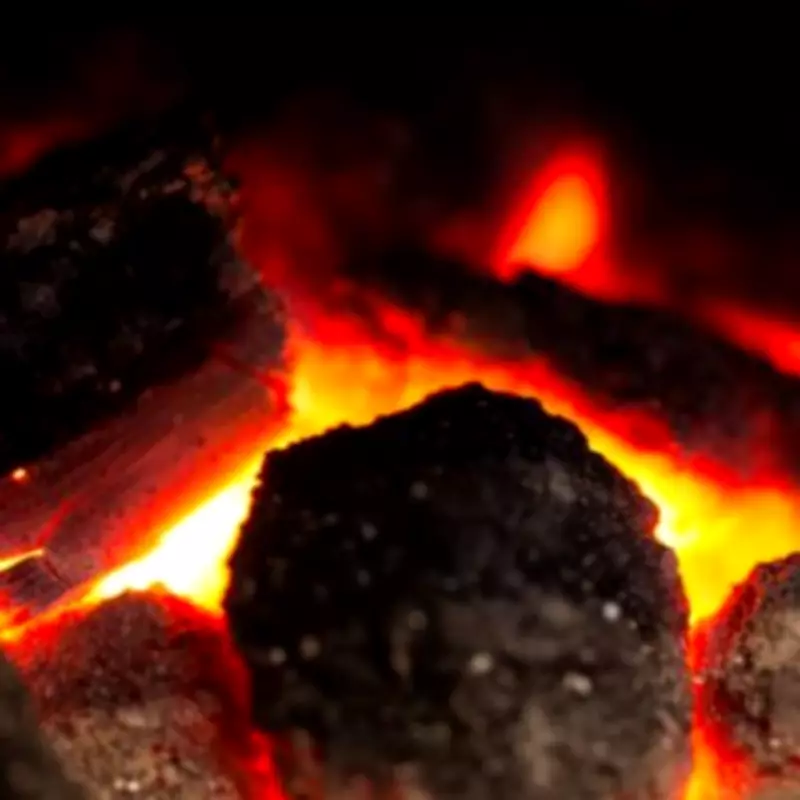
Wood and Log Burners at Risk of 'Partial Ban' in England Under Government Crackdown
Wood-burning stoves and fireplaces in England could face significant new restrictions under proposals being considered by the Labour government. Environment Secretary Emma Reynolds has confirmed ministers are exploring measures to tackle particulate pollution from domestic burning.
Strategic Approach to Pollution Reduction
Speaking to the Guardian, Ms Reynolds outlined the government's intention to address environmental concerns at a strategic level rather than through piecemeal household interventions. The proposed consultation would focus specifically on reducing PM2.5 pollution, the fine particulate matter linked to serious health issues.
"What we're talking about is restoring nature, not house by house, but at a more strategic level," Ms Reynolds explained. "We can be both pro-development and pro-home-ownership and pro-nature."

Potential Measures Under Consideration
The government is examining several approaches to regulate wood burning more strictly:
- Tightening pollution limits in existing smoke control areas across England
- Restricting wood burning to approved, modern stove models only
- Potentially banning older, less efficient wood burners entirely
- Prohibiting wood burning in traditional open fireplaces
These measures would represent the most significant update to wood burning regulations in decades and could affect thousands of households currently using wood as a heating source.
Environmental Implementation Plan
Ms Reynolds criticised the previous Conservative administration's Environmental Implementation Plan (EIP) as lacking credibility, contrasting it with Labour's more detailed approach. "I'm confident that our EIP is credible, because it's got these delivery plans built in," she stated. "You can't just set the targets. You've got to explain how you're going to achieve those targets. And that's exactly what we've done."
The Environment Secretary emphasised the need for swift action, saying the plan must be "converted swiftly into the sustained action needed to restore nature, clean up our rivers and air, create a circular economy and help people reconnect with the natural world."
Balancing Environmental and Cultural Needs
Recognising the cultural significance of wood burning for certain communities, the government has indicated that any consultation would seek to minimise disruption to traditional celebrations. Special considerations are being discussed for events like Bonfire Night and Diwali, where wood burning forms part of cultural observances.
The Department for Environment, Food and Rural Affairs (Defra) confirmed it would work collaboratively with various stakeholders, including individuals, communities, farmers, businesses and local authorities, to implement any new measures effectively.
Expert Response and Industry Implications
Ruth Chambers from the Green Alliance thinktank welcomed the government's approach, describing the new EIP as "an important milestone and an opportunity to harness the government's collective clout to deliver better for nature."
The proposed changes could have significant implications for:
- Households relying on wood burners for heating
- Manufacturers and retailers of wood-burning appliances
- Local authorities responsible for enforcing smoke control regulations
- The wider heating industry and alternative energy providers
The consultation process, once launched, will provide an opportunity for public and industry input before any final decisions are made about the future of wood burning in England.

