The government under Prime Minister Andy Burnham remains committed to introducing a pay-per-mile road tax for electric vehicles (EVs) from 2028, a policy originally announced under Sir Keir Starmer and former Chancellor Rachel Reeves. The charge will see drivers of fully electric cars pay 3p per mile, while plug-in hybrid owners will face 1.5p per mile. For the average UK driver covering around 8,000 miles annually, this equates to £240 per year.
How the Tax Will Affect Different Mileage Drivers
Lower-mileage drivers covering 5,000 miles a year would pay £150, while those driving 15,000 miles would see a bill of £450. The government estimates that the typical electric car user drives 8,900 miles annually, resulting in a charge of approximately £267 at the 3p rate. The tax is designed to ensure EV owners contribute to road maintenance as fuel duty revenue declines.
Popular Electric Models Impacted
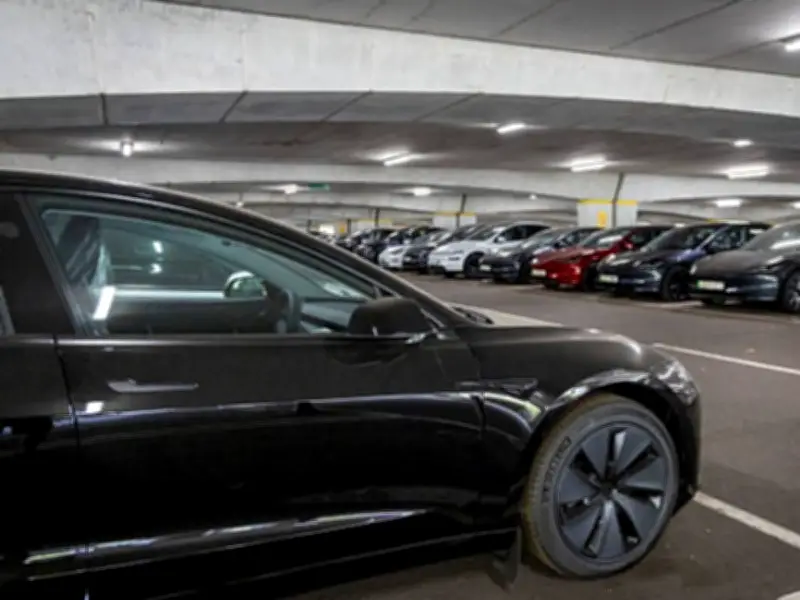
The levy will affect nine of the best-selling electric cars in the UK. The list includes the Tesla Model Y (35,551 units), Tesla Model 3 (19,071), Kia e-Niro/Niro EV (11,197), Volkswagen ID.3 (9,832), Nissan Leaf (9,178), Mini Electric (7,425), Polestar 2 (7,345), MG 5 EV (7,030), and BMW i4 (6,699). These figures reflect recent registration data, highlighting the widespread impact on both premium and mass-market EVs.

Industry Concerns Over Investment Delays
The announcement comes as the automotive industry faces uncertainty. According to Mike Hawes, chief executive of the Society of Motor Manufacturers and Traders (SMMT), carmakers with existing UK operations are delaying final decisions on investing in British factories until the government relaxes electric car sales rules. Many manufacturers are waiting for clarity on the zero-emission vehicle (ZEV) mandate, which requires a certain percentage of new car sales to be electric. The SMMT warns that without adjustments, investment in new models and production facilities could be stalled, threatening jobs and the UK's position in the EV market.
Broader Context and Government Justification
The pay-per-mile tax is part of a broader strategy to replace lost revenue from fuel duty as the nation transitions to electric mobility. The government argues that it is fair for EV drivers to contribute to road upkeep, given that they currently pay no fuel duty. However, critics say the tax could discourage EV adoption, especially among lower-mileage users who might find the fixed annual costs of EVs less attractive. The policy has been debated since its initial proposal under Starmer, and Burnham's government has now confirmed its implementation timeline.
Future Adjustments and Potential Exemptions
While the rates are set for 2028, the government has indicated that it will review the tax structure periodically. There may be exemptions for certain groups, such as those with disabilities or residents in rural areas with limited public transport. The Department for Transport is expected to launch a consultation later this year to gather feedback from drivers and industry stakeholders.