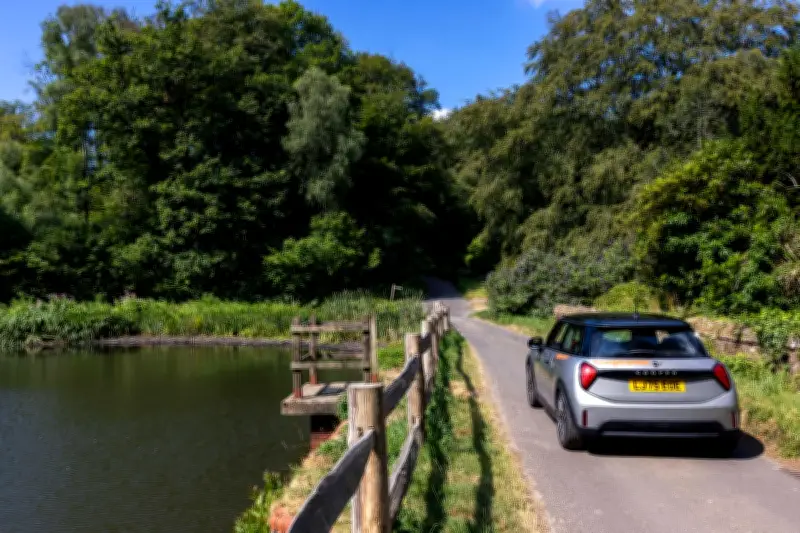
A recent survey by the RAC has found that 65% of drivers in the West Midlands deliberately extend their journeys to enjoy scenic views, adding an average of 20% to their travel time. The study, which polled 2,000 motorists across the region, highlights a growing trend towards leisure driving that prioritizes aesthetics over efficiency.
Why Drivers Take the Long Way
According to the RAC, the top reasons for taking scenic detours include enjoying countryside landscapes (48%), visiting local landmarks (32%), and experiencing seasonal changes like autumn leaves or spring blossoms (20%). Nearly one in five drivers (18%) said they use these routes to de-stress after work. The phenomenon is most pronounced on weekends, with 73% of detours occurring on Saturdays or Sundays.
“Our research shows that motorists are increasingly valuing the journey itself, not just the destination,” said RAC spokesperson Sarah White. “With more people working from home, there’s a renewed appreciation for the region’s natural beauty.” The survey also revealed that the average scenic detour adds 12 miles to a trip, costing approximately £1.50 in extra fuel—a price most are willing to pay.
Impact on Traffic and Local Businesses
The trend has noticeable effects on local traffic patterns. Routes such as the A448 through Clent Hills and the B4091 near Sutton Park have seen a 15% increase in weekend traffic over the past year, according to Transport for West Midlands. This has led to minor delays but also boosted trade at rural cafes and attractions. For instance, the Clent Hills Visitor Centre reported a 25% rise in foot traffic from drivers stopping for photos or walks.
However, not everyone is pleased. Some residents in scenic villages complain about increased congestion and parking issues. “We love that people appreciate our area, but our narrow roads weren’t designed for this volume,” said Bill Thompson, a local parish councillor in Clent. The RAC recommends that drivers plan stops at designated viewpoints to avoid disrupting communities.
Environmental Considerations
While scenic driving boosts local economies, it also raises environmental concerns. The extra miles contribute to carbon emissions—an estimated 2.5kg of CO2 per average detour. Environmental groups urge drivers to consider car-sharing or electric vehicles for such trips. The West Midlands Combined Authority is exploring waymarked scenic routes that could be promoted as sustainable tourism options, potentially incorporating charging points for EVs.
Nevertheless, the psychological benefits are clear. A separate YouGov poll found that 58% of participants reported improved mood after a scenic drive, compared to 22% after a direct motorway journey. “The mental health aspect cannot be ignored,” added White. “If done responsibly, scenic driving can be a positive activity.” The RAC advises using apps like Google Maps to identify scenic routes without straying onto unsuitable roads.
Future of Scenic Driving in the Region
With the trend likely to continue, planners are considering dedicated “scenic loops” and improved signage. A pilot scheme on the Warwickshire border has already seen a 12% reduction in traffic on sensitive lanes after redirecting drivers to a signed route. The survey also found that 71% of drivers would be happy to follow official scenic routes if they were clearly marked. As the West Midlands looks to promote green tourism, balancing driver enjoyment with local and environmental needs will be key.