Camera traps set up on Little Woolden Moss have captured rare footage of a brown hare, a roe deer, and a playful fox, shedding light on the elusive mammals that inhabit Manchester's peatlands. The research, led by Hannah Yue, a young ambassador for The Mammal Society, aims to document the often-overlooked furry residents of these vital habitats.
Why Mammals Are Overlooked in Conservation
While birds and invertebrates often dominate discussions about wildlife on the mosslands, mammals rarely receive the same attention. Kirsty Tyler of The Wildlife Trust for Lancashire, Manchester and North Merseyside notes, "I know many conservationists who are into invertebrates and many more who are birders, but I've yet to find a few with an interest in the four-legged furry visitors to our nature reserves (aside from red squirrels and bats that is)."
This gap in interest is puzzling, given that mammals are among the nation's favourite animals. Tyler suggests that their ubiquity on popular TV programmes like Springwatch and Autumnwatch, which showcase badgers and fox cubs, may lead conservationists to focus on less-documented species.

Camera Traps Reveal the Hidden Residents
When Hannah Yue approached the Trust to set up camera traps as part of her ongoing research, it reignited interest in the moss's mammalian life. Just a short while after installation, the traps yielded excellent footage of a brown hare, a deer, and a fox at the edge of woodlands around the moss.
The brown hare, Britain's fastest land mammal, can reach speeds of up to 45 miles per hour when evading predators. Hares favour peatlands because open ground gives them the opportunity to sprint at full speed, their primary defence against predation.
Foxes, as adaptable omnivores, thrive in the woodland around Little Woolden, which offers a mix of small mammals, birds, reptiles, amphibians, vegetation, and fruit. Urban fox populations demonstrate their ability to live almost anywhere.
Roe deer, which inhabit mixed countryside, are also frequent visitors. They feed on heathers, tree bark, leaves, and buds, making the mosslands a perfect landscape for them.
Smaller Species and Venomous Surprises
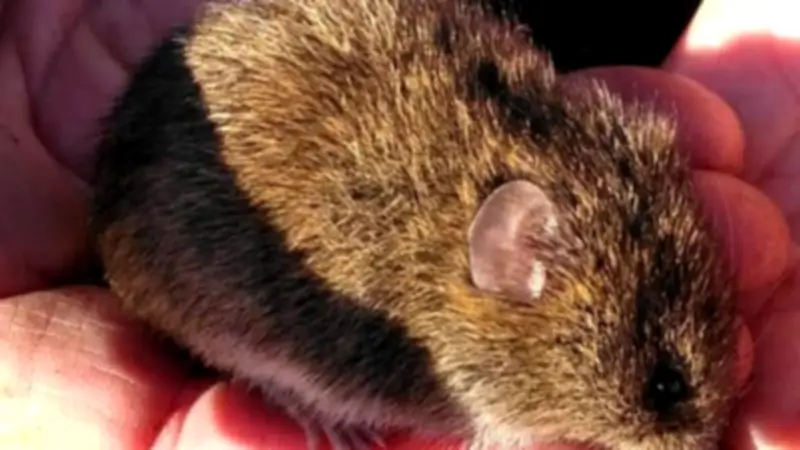
Beyond the larger mammals, the camera traps miss a variety of smaller species, including water shrews, water voles, pygmy shrews, field voles, and wood mice. Water shrews are particularly notable as one of the only mammals with a venomous bite, though its potency is sufficient only for frogs and small fish.
Tyler expressed gratitude to Hannah Yue for sharing her work so far, saying, "It's been so interesting to think a bit more about mammals on the mosses, and I'll be looking more carefully next time I'm out there for signs of them."
Ongoing Research and How to Get Involved
Hannah's research is ongoing, and the Trust looks forward to seeing more findings. For those inspired to support local wildlife, membership with The Wildlife Trust for Lancashire, Manchester and North Merseyside is available at www.lancswt.org.uk or by calling 01772 324129. For Cheshire Wildlife Trust, call 01948 820728 or visit www.cheshirewildlifetrust.org.uk.