Get your phones ready – Manchester is about to go head-to-head with hundreds of cities across the globe in a massive race to record local wildlife. The City Nature Challenge is a global celebration of urban nature, and this weekend, from April 24 to 27, every resident has the chance to become a scientist and show the world what makes the city so wild.
To participate in the City Nature Challenge, simply download the free iNaturalist app, find local wild nature, take pictures, and share them on iNaturalist. It is that easy. The competition started in 2016 between Los Angeles and San Francisco and has since evolved into an international event, motivating people worldwide to discover and record wildlife in their cities.
Last year, Greater Manchester documented 3,045 observations, identifying 853 species, with nearly 400 people taking part. Organizers hope to improve on that this year, emphasizing that every entry counts. Nature is all around us; the weed between cracks in the pavement is nature. Understanding species present in cities helps conservation efforts, but it requires everyone's contribution. No expertise is needed – part of the fun is learning more about nature and sharing with the international community.

Local Involvement
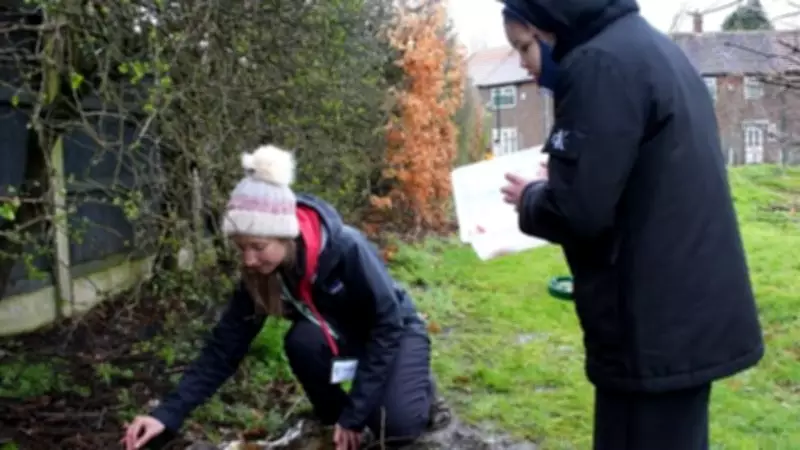
The Wildlife Trust for Lancashire, Manchester and North Merseyside will participate in this year's City Nature Challenge in Wythenshawe through its Championing Nature project, made possible by Wimbledon and Emirates. The trust will work with local community groups such as Nacro Outdoor Learning and British Muslim Heritage Council Scouts to teach them about the importance of urban nature and why surveys are important.
Why Urban Nature Matters
Urban nature is vital for many reasons. Urban areas can be barriers for wildlife, creating fragmented habitat landscapes vulnerable to ecological pressures like disease or climate change. By creating greener urban spaces, we provide stepping stones or corridors for wildlife to move between larger green areas. This offers greater access to food and shelter, prevents populations from becoming genetically isolated, and allows migration if habitats become unsuitable. Green urban spaces also improve mental health, reduce air pollution, and manage flooding, making urban landscapes more resilient for humans.
Residents can help urban nature by providing water, shelter, and food. If all three are available, wildlife is more likely to visit. Every observation or record, from the rarest butterfly to the most common backyard weed, contributes to science. Even common records help conservationists identify areas with low species diversity and improve it.
Let us put Greater Manchester on the map this weekend with wild nature sightings.
By Laura Hacking Vile for The Wildlife Trust for Lancashire, Manchester and North Merseyside. To become a member, visit www.lancswt.org.uk or call 01772 324129. For more information about Cheshire Wildlife Trust, call 01948 820728 or go to www.cheshirewildlifetrust.org.uk.