As the year progresses, the spectacular biodiversity of the Sefton Coast unfolds, and by mid-May, there is so much to see it is hard to know where to look. Spring bird migration is at its peak, with many early arrivals already nesting and raising young. The stunning range of wildflowers becomes ever more evident, as blooms from orchids to violas reappear in the dunes like old friends.
Butterflies and Insects
Insect life increases exponentially, and warm days bring more butterflies. It has felt like a slow start for these creatures, with once ubiquitous species like the Common Blue taking flight later and in smaller numbers on the dunes, although Orange Tips seem to be everywhere.
Painted Lady Butterflies
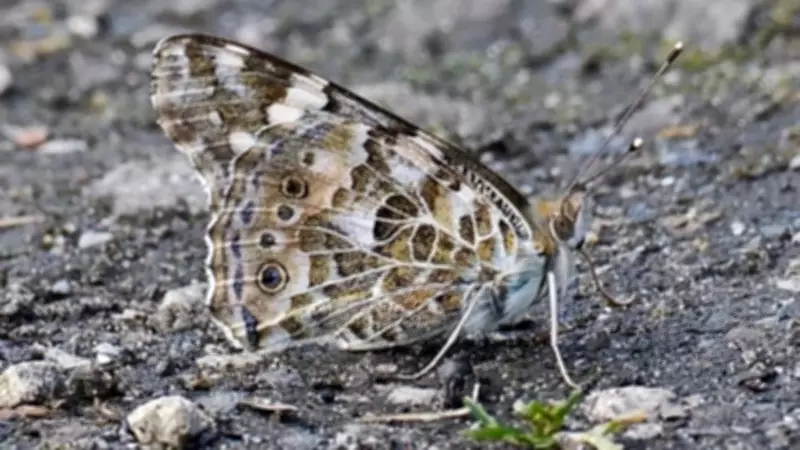
I was surprised to see my first Painted Lady butterflies on the coast in the last week of April; it felt early, but nationally the first records this year were in Somerset at the end of February, so their arrival was only a matter of time. These butterflies, with orange wings, black and white tips, and wonderfully detailed underwings, carry the mystique of migration.

Clouds of these butterflies emerge in the Atlas Mountains of North Africa and pour north across the Straits of Gibraltar, making landfall in Spain often in their millions. "Invasion years" happen about once every 10 years, when huge numbers appear. 2009 was particularly impressive, with vast numbers tottering along beaches and through dunes. A static survey from a point on Ainsdale beach revealed over 200 butterflies passing every five minutes over an hour, and this staggering number was repeated across the country as they moved north in a broad wave. Some say it represented the largest migration episode on record, breathtaking to all who saw it.
Other Insects
Other insects are more low-key. In the dunes, the Emperor moth is a widespread and striking resident. This day-flying moth displays startling eyes on its wings, much like a Peacock butterfly, to ward off predators. The larger female is a cryptic grey-brown, while the smaller male has a more orange tone, but each is wonderful to see.
Green Sefton staff were treated to the sight of a breeding pair of Emperors at Ainsdale beach entrance recently, where they lingered for most of the day, delighting all who saw them as scores of day trippers passed by just feet away. Emperors are members of the same family as silk moths, and while the females are big and obvious, the smaller males are often mistaken for butterflies as they dart over the dunes in late spring. Another stunning resident of this incredible coastline.
John works for Green Sefton, the Sefton Council service that brings together the Coast & Countryside, Parks & Greenspaces, and Grounds Maintenance teams for a joined-up approach to the vital management, development, and oversight of Sefton’s beautiful coastline, parks, and green spaces. This column looks at the flora, fauna, and history of the coastline, and the work carried out to protect it.